How to Start a Sneaker Brand in 2026: The Honest Playbook
 Michał Miszczyszyn
Aug 31, 202614 min read
The global sneaker market is worth somewhere north of $100 billion a year, and a shocking amount of it is driven by brands nobody had heard of five years ago. But a sneaker brand isn't a shoe brand with a cooler logo. It's a manufacturing decision (last, sole, upper construction), a legal decision (your silhouette can be copied the day it ships), and a marketing decision (drops, not seasons) all layered on top of each other. This is the honest version: what it costs, how the manufacturing actually works, and how limited releases build real demand instead of just looking like they do.
Sneaker Brand or Shoe Brand? Pick Your Lane First
"Sneaker" and "shoe" get used interchangeably, but the businesses behind them aren't the same. A general footwear brand might sell boots, sandals, and loafers. A sneaker brand lives inside a much narrower set of construction methods (athletic uppers, molded midsoles, rubber outsoles) and a much louder culture: colorways, collaborations, and release calendars that people plan their week around.
If you're building general footwear and sneakers are just one line among several, our shoe brand guide covers the broader footwear category in more depth. This guide is for the narrower, louder version: brands built specifically around sneakers, where the drop, the silhouette, and the story matter as much as the shoe itself.
That narrowness is your advantage, not a limitation. Nobody buys a sneaker brand that's "for everyone." Saysh, the performance sneaker brand founded by Olympic sprinter Allyson Felix, is built specifically for women runners who felt unserved by sneakers designed for men's feet and resized down. Koio went the other direction: Italian-made leather sneakers at a $200+ price point for people who wanted the quality of a dress shoe on a sneaker last. Neither tried to be the next Nike. Both picked a specific person and a specific reason to exist.
Before you sketch a single silhouette, answer this: who is this sneaker for, and what does it do that the wall of options at a mall store doesn't?
Learn the Anatomy Before You Design
You don't need to become a footwear engineer, but you do need enough vocabulary to have a real conversation with a factory. Every sneaker breaks down into the same core parts:
- The upper: everything above the sole that wraps the foot, made from mesh, knit, leather, or suede.
- The midsole: the cushioning layer, usually EVA foam (light, cheap, less durable) or the denser, more responsive Phylon or PU foams used in performance shoes.
- The outsole: the rubber tread that contacts the ground, usually a separate piece bonded or stitched to the midsole.
- The insole (or sockliner): the removable footbed inside the shoe.
- The last: not a visible part of the shoe at all, but the foot-shaped mold everything is built around. This is the single most expensive thing to change.
How those parts get assembled also matters, because it changes your cost and your options:
- Cement construction glues the upper directly to the sole. It's the cheapest and fastest method, and it's what most casual and fashion sneakers use.
- Vulcanized construction bonds a rubber outsole to the upper using heat and pressure, the classic Vans and Converse method. It's flexible and durable but limits how much cushioning you can add.
- Injection molding shoots liquid foam or rubber directly into a mold around the upper, common in performance running shoes, and requires the most expensive tooling of the three.
Almost every low-MOQ private label program is built around cement construction on an existing last. If a factory quotes you vulcanized or injection-molded construction on a brand-new last, expect the cost and MOQ to be several times higher.
Prove Demand Before You Order a Single Pair
Sneaker tooling and samples are expensive enough that validating first isn't optional: it's the difference between a $3,000 mistake and a $30,000 one.
Three ways to test before you commit money to production:
- A single-product waitlist page. Show real renderings or a photo of your first sample, describe who it's for, and ask for an email. Run $150–$300 in Instagram or TikTok ads against your specific audience. If fewer than 1 in 50 visitors sign up, the idea isn't landing yet.
- A refundable pre-order. Same page, but ask for a card instead of an email, with an honest ship date 8–12 weeks out. Ten real pre-orders tell you more than a thousand likes ever will.
- Put the sample on 15–20 real feet. Send your first sample pair around your target community and ask two questions only: "Would you actually buy this?" and "What's wrong with the fit?" Polite enthusiasm doesn't count. You want the person who tells you the toe box is too narrow.
Choose How Your Sneakers Actually Get Made
This is the decision that determines almost everything else about your first year: budget, timeline, and how much risk you're carrying.
| Path | Typical MOQ | Rough upfront cost | Lead time | Best for |
|---|---|---|---|---|
| Made-to-order, small batch | 1 pair (no MOQ) | $1,000–$3,000 | 2–6 weeks per pair | Testing a design before any factory commitment |
| Private label, stock last | 50–100 pairs per style | $3,000–$8,000 for 3–5 styles | 6–10 weeks | Most first-time sneaker founders |
| Custom tooling, new last & sole | 400–1,000+ pairs per style/color | $10,000–$60,000+ | 90–150 days | Founders with proven demand and capital |
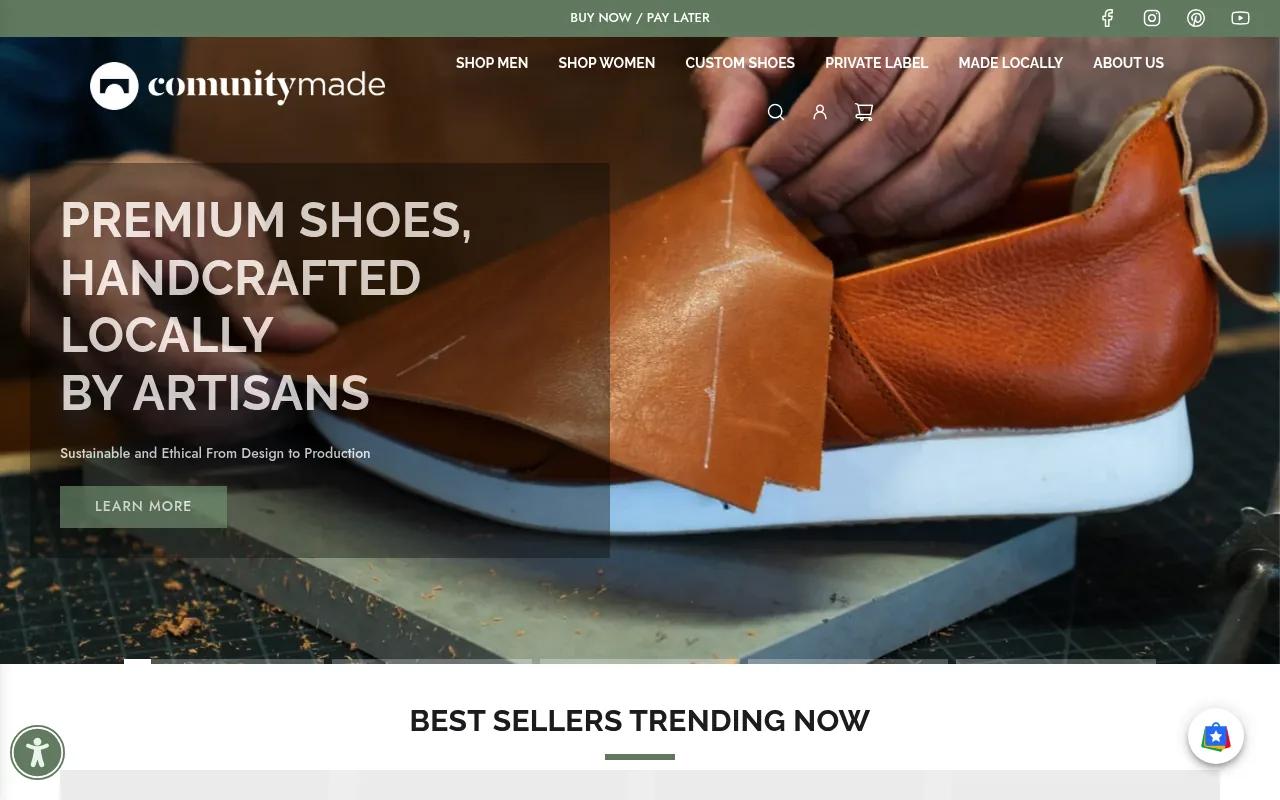
A standard cement-construction sneaker built on an existing last runs roughly $22 at the factory before freight, packaging, and your markup, though materials and finish push that up or down significantly. Private label manufacturers built for small brands, like ComunityMade in Los Angeles or overseas factories such as XINZIRAIN, now advertise MOQs as low as 50 pairs per style, a real shift from the 500-to-1,000-pair minimums that used to gate small brands out entirely.
Custom tooling, a genuinely new last and sole mold nobody else can order, is where costs jump. Once you're paying for original tooling, factories generally also expect volumes several times higher, commonly 400 to 1,000+ pairs per style and colorway, which is why almost every sneaker founder should validate demand on a stock last first and save custom tooling for a second or third production run, once real sales data justifies it.
Protect the Design Before Someone Else Copies It
Sneakers get copied fast, sometimes within weeks of a drop going viral. There are three separate legal tools here, and beginners routinely mix them up.
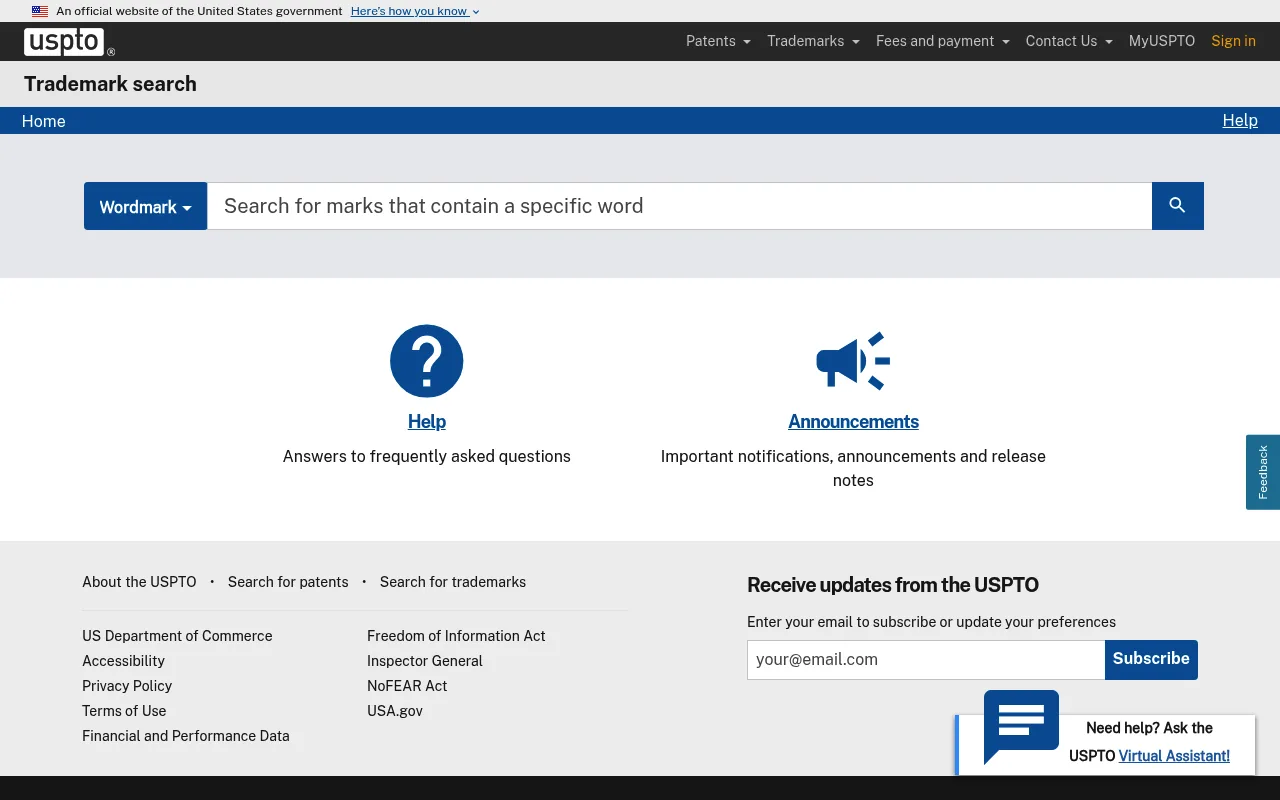
- A trademark protects your brand name and logo, not the shape of the shoe. In the US, filing costs $350 per class of goods through the USPTO (footwear falls under Class 25), whether you file yourself through the USPTO's trademark search and filing system or use an attorney. Search existing marks before you fall in love with a name.
- Trade dress can protect a genuinely distinctive shoe design itself (colors, patterns, silhouette details), if it's non-functional and recognizable enough that customers associate the look with your brand alone. This is exactly what lets a brand fight back when a big retailer copies its bestseller. Vans has successfully defended trade dress rights in its Old Skool silhouette and Checkerboard pattern in multiple lawsuits, including a 2022 settlement with Walmart. Trade dress takes time and evidence to establish; it isn't automatic the day you launch.
- A design patent protects a specific new ornamental design (a unique sole pattern, a distinctive upper shape) for a fixed term. Expect $1,000 to $3,000 all-in including legal and filing fees, and file before you show the design publicly, since public disclosure can affect your rights.
For a first sneaker brand, the trademark is the non-negotiable one. Trade dress and design patents are worth revisiting once you have a silhouette that's actually distinctive enough to be worth defending.
Get the Safety and Labeling Rules Right
Footwear is lighter on labeling than apparel, but the rules genuinely differ by region, and getting them wrong on a leather or synthetic upper can mean a real compliance problem, not just a paperwork one.
In the US
Footwear is largely exempt from the FTC's textile fiber labeling rules that apply to clothing. The core US requirement is disclosing country of origin, with additional rules kicking in only for specific materials like real leather, wool, or fur. Check the FTC's guidance on footwear and apparel labeling for your exact materials before printing hang tags.
In the EU
The EU requires material composition labeling under Directive 94/11/EC: pictograms or text disclosing the main material (at least 80% of the surface or volume) in the upper, lining, and outsole. Separately, REACH restricts Chromium VI to under 3 mg/kg in any leather that touches skin, a real risk in cheaply tanned leather, and caps phthalates at 0.1% by weight in plasticized materials like PVC soles. If you're sourcing leather or PVC components from a new factory, ask for chemical test reports, not just a verbal assurance.
In the UK
The UK kept its own version of footwear labeling on the books after Brexit: the Footwear (Indication of Composition) Labelling Regulations 1995, which require the same 80%-material disclosure as the EU rule. If you're importing from the EU, note that UK retailers, not just the manufacturer, are responsible for confirming the labeling is accurate.
Price for a Margin That Survives Returns
The classic beginner mistake: "similar sneakers sell for $90, so I'll price mine at $75." That math only works for a brand ordering at a scale you're not at yet.
The honest rule for a direct-to-consumer sneaker: price at least 4x your fully landed cost per pair, and build in a returns reserve, because footwear returns run around 18-19% online, roughly double most other product categories, and sizing drives the large majority of them. Here's where the money actually goes on a $22-landed sneaker sold at $85 (about 3.9x):
| Where the money goes | $ |
|---|---|
| Landed cost per pair (product + freight to your warehouse) | $22.00 |
| Card processing fee (Stripe, 2.9% + $0.30) | $2.77 |
| Shipping to customer | $9.00 |
| Returns reserve (~18% of orders, sizing-driven) | $15.30 |
| Marketing (~22% of revenue) | $18.70 |
| What you actually keep | ~$17.00 |
That's roughly $17 profit on an $85 pair, meaning a $5,000 first private-label order needs about 290 pairs sold to break even, before photos, samples, or a size-exchange program. Drop the price to $65 (a 3x multiple) and the same order needs nearly 900 pairs to clear. If the math doesn't work at your real price, don't launch yet. Raise the price, simplify the build, or shrink the run.
The Sneaker Drop Cycle: How Limited Releases Actually Work
This is the mechanic that separates sneaker brands from every other footwear category, and it's the single biggest lever a small brand has that a mall retailer doesn't. It's not exclusive to footwear either: streetwear brands run on the same drop mechanic, just with hoodies and tees standing in for pairs.
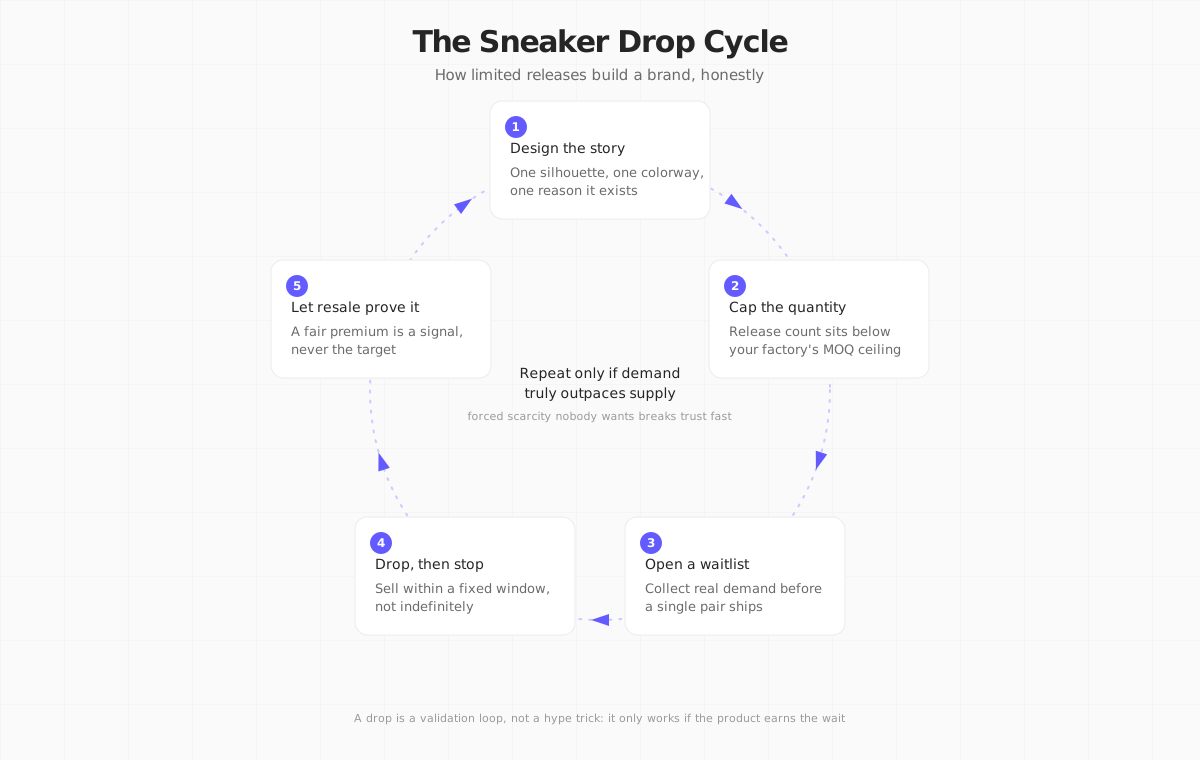
The version most people see is the extreme end: the Fragment Design x Travis Scott x Air Jordan 1 collaboration drew 4.4 million raffle entries for roughly 40,000 pairs in late 2025. You don't need anywhere near that scale for the mechanic to work. The same five steps apply whether you're releasing 4,000,000 raffle entries or 40 pairs:
- Design a specific story, not just a colorway. One reason this release exists that a customer can repeat back to a friend.
- Cap the quantity below your MOQ ceiling. You control the release size; the factory only sets the maximum you can order.
- Open a waitlist or raffle before you ship anything. This is free demand data, and it builds anticipation that a permanent "add to cart" button never does.
- Drop, then stop. A defined window (a weekend, a single day) creates urgency that "while supplies last" indefinitely does not.
- Let resale be a signal, never the goal. A fair premium on StockX or GOAT tells you demand outpaced supply. Manufacturing scarcity nobody actually wants, and then hoping resale bails you out, breaks trust the first time customers notice.
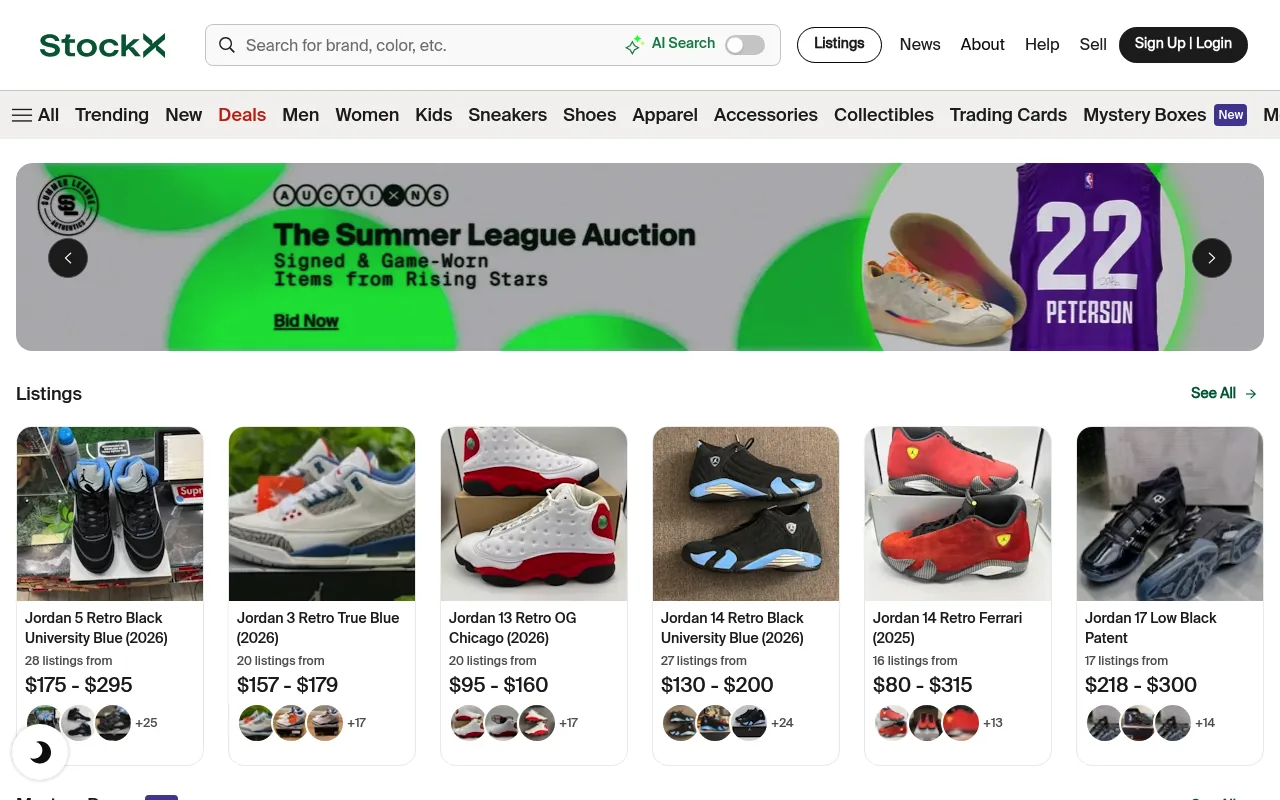
New brands generally can't list directly for sale on StockX or GOAT the way established labels do; those platforms are primarily peer-to-peer resale and authentication markets. Treat them as a price signal to watch, not a launch channel to plan around.
Get Noticed Without a Marketing Budget
Sneaker marketing has its own playbook, distinct from general apparel or footwear marketing.
- On-foot content, not studio shots. Sneaker culture lives on seeing the shoe worn, walking, skating, in motion. TikTok and Instagram Reels reward this over a clean product photo every time.
- Sneaker reviewers and unboxing channels. A niche YouTube or TikTok sneaker reviewer with 20,000–100,000 followers will often do an honest review in exchange for a free pair, and their audience trusts them specifically because they review sneakers critically, not because they're a paid influencer.
- Discord and community servers. Sneakerheads already organize in dedicated Discord servers to share drop alerts and discuss releases. A small, active community server for your own brand becomes your highest-intent waitlist.
- Sneaker conventions. Events like Sneaker Con and ComplexCon put your product in front of exactly the audience that already spends money on sneakers, in person, where they can try them on.
- Wholesale to independent sneaker boutiques. Once you can fulfill reliably, boutiques (in the US, UK, and EU alike) are often more open to a genuinely new small brand than department stores, and a story-driven product is easier to pitch there than a generic one.
- Email. Once you have customers, email is where drop announcements convert best, because people who already bought once want first access next time.
Pick one channel to genuinely master before adding a second. Sneaker brands that spread thin across every channel at once usually do all of them at a mediocre level.
Set Up a Website That Can Handle a Drop
By the time you're ready to sell, you need a website that does three things well: honest product photos (including the sole and any texture), a clear size guide, and a checkout that can actually survive a traffic spike on drop day without falling over.
The main options, honestly assessed for a drop-based sneaker brand:
- Your Next Store (us, to be upfront) starts at $25/month on the yearly plan, with 0% platform transaction fees on every plan, and an AI-powered builder helps set up the store itself. Since drop traffic tends to arrive in a single spike rather than steadily, a fast, modern storefront matters more here than for a brand with even, predictable traffic.
- Shopify is the most common choice for drop-based brands, and for good reason: it's built to handle sudden traffic spikes, and its queue and waitlist apps are purpose-built for hype releases. At $39/month plus a per-transaction fee unless you use their own payment processor, the plugins needed for a real drop setup (queueing, raffles, restock alerts) typically add another $100–$300/month.
- Squarespace or Wix work fine for a first small-batch release with modest traffic, but most sneaker brands outgrow their variant and inventory handling once they're running real drops with size runs.
- Instagram plus a payment link is genuinely viable for a first tiny batch (under 50 pairs), taking orders in DMs with a simple Stripe payment link for checkout. It falls apart the moment you have more than one size run to track.
Honest recommendation: if your first release is small and story-driven, a modern, fast storefront that won't buckle on drop day matters more than a feature checklist. If you're already planning raffles and queues at real scale, Shopify's drop-specific tooling is a legitimate reason to pay for its plugin ecosystem.
0% extra fees on every sale. A fast, modern website for your sneaker brand, ready in minutes.
What It Actually Costs to Start a Sneaker Brand in 2026
Pulling the manufacturing, legal, and marketing numbers together:
| Your approach | Upfront cost | Monthly spend | What you get |
|---|---|---|---|
| Made-to-order test run | $1,000–$3,000 | ~$150 | 1 style, small batches, a waitlist and Instagram |
| Private label, first drop | $3,000–$8,000 | ~$400 | 3–5 styles at 50–100 pairs each, trademark filed, real website |
| Custom tooling launch | $15,000–$40,000 | $1,500+ | 1–2 original silhouettes, design patent, PR push |
| Full custom, multiple silhouettes | $60,000+ | $3,000+ | Multiple original lasts and molds, wholesale, paid ads |
Two honest warnings hidden in that table:
- A custom-tooling launch will not break even in its first quarter. Between 90–150 day lead times and an 18%+ return rate, plan for 12–18 months of cash flow before things turn green.
- Private label on a stock last is the only row where you're not betting real money on tooling before you know people want the shoe. Everything to the right of it carries meaningful inventory and mold risk.
If your plan depends on your first drop selling out, your plan is incomplete. Budget for a second, smaller drop that fixes whatever the first one gets wrong, because in sneakers, something usually does.
FAQ
How much does it cost to start a sneaker brand?
Anywhere from $1,000 to $60,000+, depending on manufacturing path. A made-to-order test run through a small workshop can start near $1,000–$3,000 for one style. Private label on an existing last, the right starting point for most first-time founders, typically runs $3,000–$8,000 for a first line of 3–5 styles at MOQs as low as 50–100 pairs. Custom tooling with a brand-new last and sole mold pushes costs to $15,000 and well beyond $60,000, since you're also paying for higher minimum order quantities.
What's the difference between a sneaker brand and a shoe brand?
A shoe brand can span boots, sandals, loafers, and dress shoes. A sneaker brand is narrower by construction (athletic uppers, molded midsoles, rubber outsoles) and by culture: colorways, collaborations, and drop calendars matter as much as the product itself. If you're building general footwear with sneakers as one category among several, see our broader shoe brand guide.
Do I need to trademark my sneaker design?
You need a trademark on your brand name and logo before you launch; it's a straightforward $350-per-class USPTO filing. Protecting the actual shape or pattern of the shoe is a separate, harder path: trade dress (for an established, recognizable design) or a design patent (for a specific new ornamental feature, filed before public disclosure). Most first-time brands only need the trademark at launch and revisit trade dress or a design patent once a silhouette proves itself.
How do sneaker brands do limited drops?
The mechanic is the same at any scale: design a specific story, cap the release below your factory's MOQ, open a waitlist or raffle before shipping anything, sell within a fixed window, and treat any resale premium as a signal rather than the goal. It works whether your release is 40 pairs or 40,000.
Can a new brand sell on StockX or GOAT?
Not directly as a primary sales channel. StockX and GOAT are mainly peer-to-peer resale and authentication marketplaces for already-released sneakers, not storefronts for new brands to launch on. Sell directly through your own website first; watch resale prices on those platforms as a demand signal once your product is in the wild.
How long does it take to launch a sneaker brand?
On the private-label path: 3–5 months, covering validation, a sample on a stock last, then production and a website. On the custom-tooling path: 6–9 months or more, since a new last and sole mold alone typically add 90–150 days before you have a single sellable pair. Anyone promising a fully custom sneaker line in a few weeks is skipping the tooling entirely.