Generative Engine Optimization for Ecommerce
 Michał Miszczyszyn
Nov 5, 20269 min read
Generative engine optimization (GEO) is the work of making AI assistants find, understand and recommend your products. When a shopper asks ChatGPT, Perplexity or Google's AI features for "the best waterproof hiking boots under $150", the answer is a handful of named products, not ten blue links. This guide shows what decides whether yours are among them.
What Is Generative Engine Optimization?
Generative engine optimization is the practice of structuring your site and your brand's presence so that AI answer engines can retrieve your content, trust it, and cite or recommend it in a generated answer. It sits next to classic ecommerce SEO, not instead of it: the same fundamentals (crawlable pages, clear content, authority) apply, but the output is different. Instead of a ranked list, the engine writes a short answer and picks a few sources.
Two things change for a store owner:
- Fewer, winner-takes-most slots. An AI answer may name three products. Being fourth is the same as being invisible.
- Machine-readable facts matter more. The engine has to extract price, availability, materials and policies from your page without guessing.
GEO is also not a magic trick. Nobody outside the AI labs knows exactly how answers are ranked, and anyone selling a guaranteed formula is guessing. What follows are the levers that are cheap, verifiable and useful for classic search too.
How AI Engines Decide What to Recommend
Most AI shopping answers combine two sources: what the model learned in training, and what a retrieval step fetches live from the web. For products, the live part dominates, because prices and stock change daily. That retrieval step works roughly like a search engine: it crawls or queries an index, reads the pages, and summarizes.
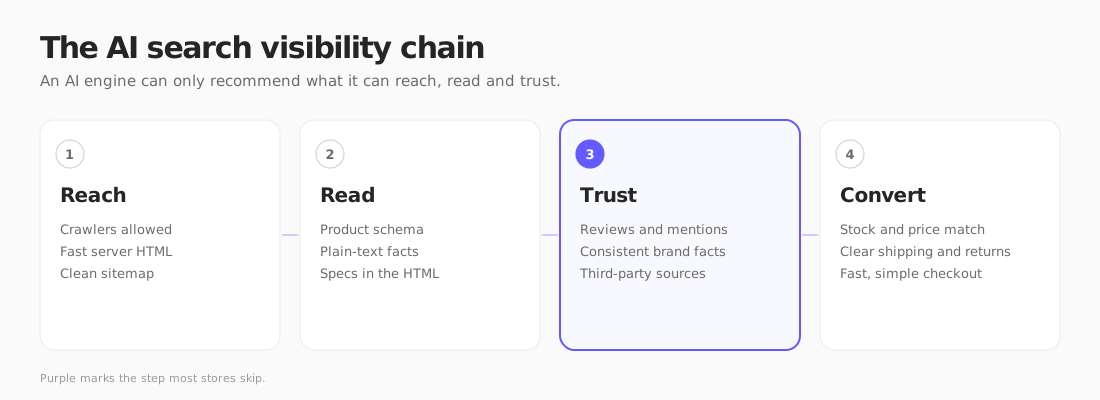
An engine can only recommend what it can reach, read and trust, and then your page has to convert the click. Most stores fail at the first two without knowing it.
Step 1: Let the Right Bots In
The most common GEO failure is a robots.txt or bot-protection rule that blocks AI crawlers by accident. Several vendors run separate crawlers for different jobs, and the distinction matters. OpenAI documents three: GPTBot for training data, OAI-SearchBot for surfacing sites in ChatGPT search, and ChatGPT-User for pages fetched when a user asks. Other vendors, including Google, Perplexity and Anthropic, publish similar user agents.
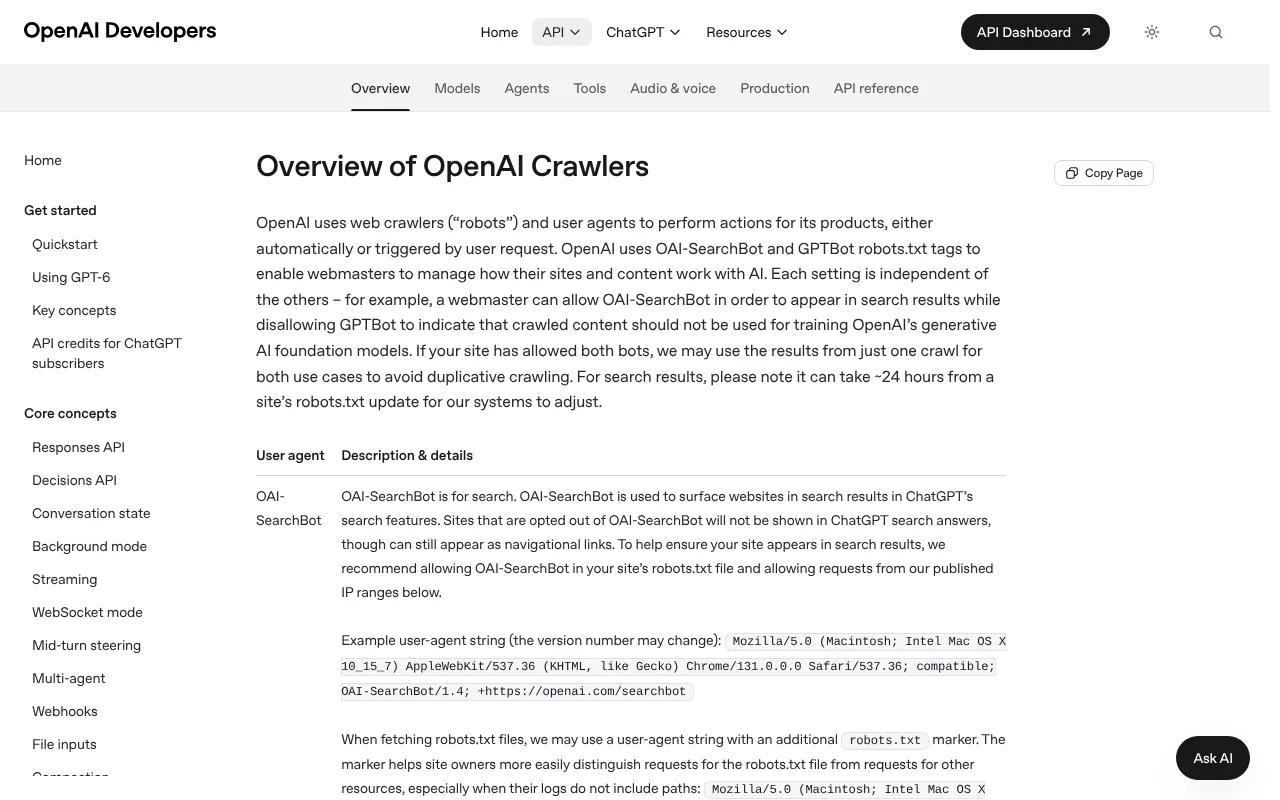
A sensible default for a store that wants to be recommended:
- Allow the search and user-triggered agents (for example
OAI-SearchBot,ChatGPT-User,PerplexityBot). These are the ones that put you in answers. - Decide on training crawlers (for example
GPTBot) as a business choice. Blocking them does not remove you from live retrieval, but check each vendor's current documentation because policies change. - Check your CDN or bot-protection layer. A WAF rule that challenges unknown user agents can block AI crawlers even when robots.txt allows them. Test with a plain
curl -A "OAI-SearchBot"request and confirm you get HTML, not a challenge page.
If you run bot protection against scrapers and card testers, see our note on ecommerce fraud prevention and scope challenges to checkout and account endpoints, not product pages.
Step 2: Serve Product Facts in the HTML
AI crawlers are far less patient with JavaScript than a browser. If your price, title or stock status appears only after client-side rendering, a retrieval bot may see an empty shell. Server-rendered or statically generated product pages avoid the problem. This is one reason frameworks with server components are a good fit, and it is the architecture behind how Your Next Store stays fast.
Put the facts a shopper would ask about in plain, visible text near the top of the product page:
- Exact product name, brand and model or SKU
- Price and currency, plus availability
- Materials, dimensions, weight, compatibility
- Shipping time, return window and warranty
- Who it is for and what it is not for
Engines quote specifics. "Fits laptops up to 16 inches, 340 g, water-resistant nylon" gets quoted. "Premium quality for every lifestyle" does not.
Step 3: Add Structured Data
Structured data is the most direct way to hand an engine your facts in a format it does not have to interpret. Use schema.org JSON-LD for Product, Offer, AggregateRating and Review where you genuinely have the data. Google's Product structured data documentation lists the required and recommended properties.
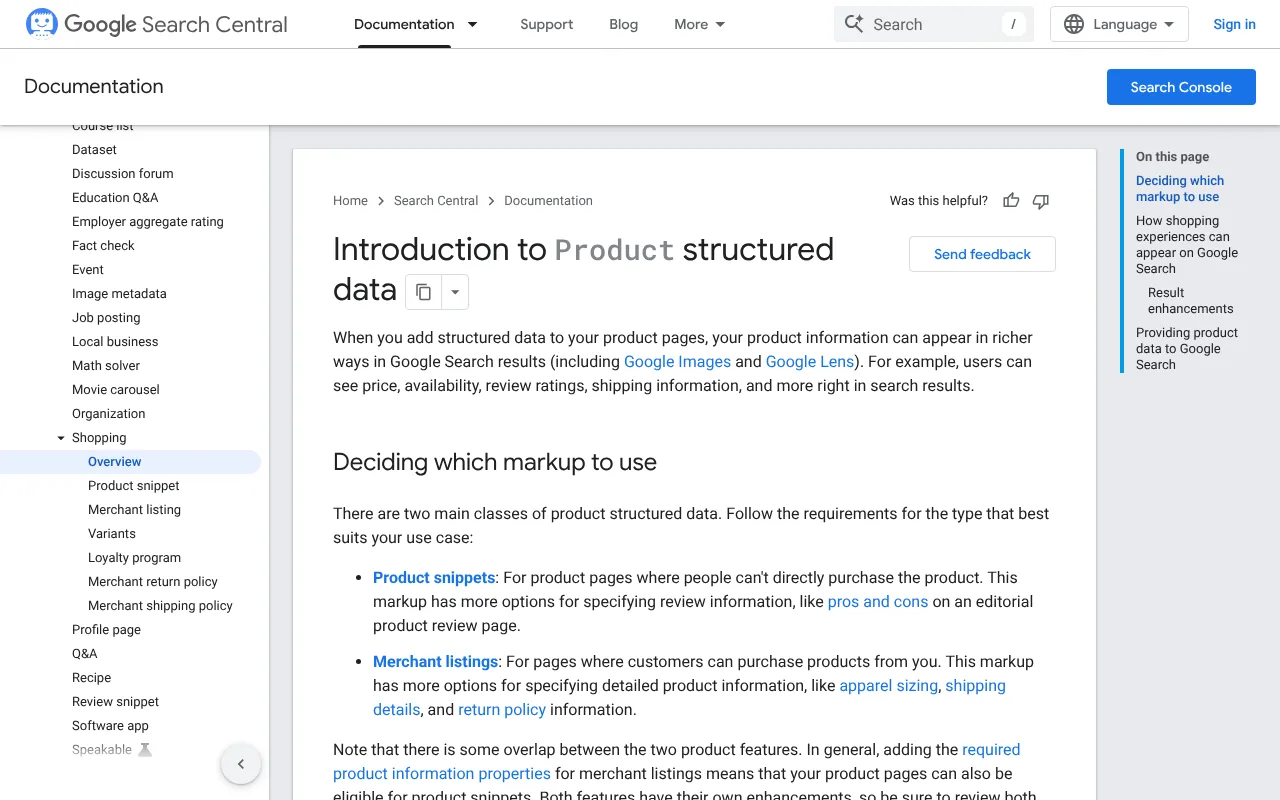
A minimal example:
Two rules keep this honest. First, the markup must match what is visible on the page, including price and stock. Mismatches get ignored at best and penalized at worst. Second, generate it from your product data, never by hand per page, so it cannot drift.
Step 4: Write Content That Answers Questions
Shoppers prompt AI in full sentences: "what's a good gift for a coffee lover who already has everything?" Content that answers that shape of question gets retrieved.
- Lead with the answer. Put the recommendation or definition in the first two sentences of a section, then explain.
- Use question-shaped headings ("Are these boots true to size?") with a direct answer underneath.
- Add comparison tables and specs. Tables are easy to extract and hard to misquote.
- Publish a real FAQ on product and category pages, built from actual customer emails and support tickets.
- Be specific about trade-offs. Honest "not ideal for" statements make a page more citable, because engines prefer balanced sources.
Step 5: Build Mentions Beyond Your Own Site
Engines weigh what others say about you. Reviews, press, forum threads, comparison articles and marketplace listings all feed the picture. A brand that appears consistently across independent sources reads as real and trustworthy.
- Collect verified reviews and display them in text, not only in an image or iframe widget.
- Keep your brand name, description and key facts consistent across your site, social profiles and directories.
- Earn mentions in the places your category's buyers actually read: niche blogs, subreddits, YouTube reviews, "best of" lists.
- Make your return, shipping and warranty pages easy to find. Engines cite policies when shoppers ask about risk.
Step 6: Consider an llms.txt File
llms.txt is a proposed convention: a plain markdown file at /llms.txt that points AI agents to your most useful pages and summarizes your site. The proposal has been adopted by many documentation sites, but no major search engine has confirmed it as a ranking signal for shopping answers, so treat it as low-cost insurance rather than a lever.
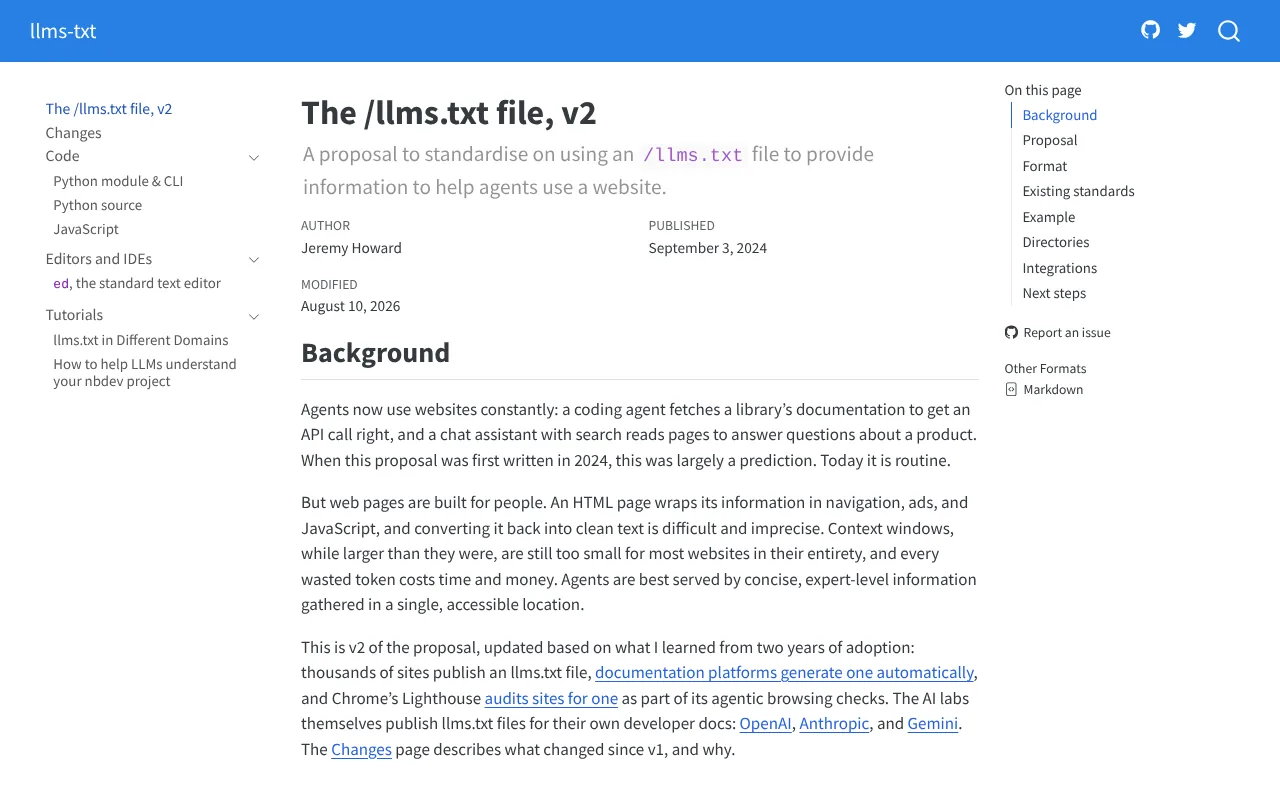
For a store, a useful file is short: who you are, your main categories, links to shipping, returns and contact pages, and a link to a product feed or sitemap. Ten minutes of work, no downside.
Step 7: Get Your Feed and Checkout Ready for Agents
AI assistants are moving from recommending products to buying them. ChatGPT shopping and the wider agentic commerce protocols reward stores whose catalogs are complete and whose checkout can be completed without a human fighting a pop-up. Practical prep:
- Keep a clean, complete product feed: titles, GTINs where they exist, images, price, stock
- Keep price and availability fresh, because stale data gets stores dropped from answers
- Make checkout simple: guest checkout, few fields, no forced account creation (see checkout optimization)
- Expose an MCP server or API if you have developers, so agents can query inventory directly
Where Your Next Store Fits
Your Next Store is a managed commerce backend with an open-source Next.js storefront, and the pieces above map to what it already does. Pages are server-rendered for fast, crawlable HTML, product pages carry JSON-LD structured data, and the built-in SEO audit includes AI discoverability checks such as llms.txt and content hierarchy. You still own the writing: no platform can invent your specs, FAQs or reviews for you.
Test it yourself. Ask ChatGPT, Perplexity and Google's AI features five questions a customer would ask about your category. Note who gets named and which sources are cited. That list is your real competitor set for GEO.
How to Measure GEO
Measurement is still rough, so keep it simple and consistent:
- Build a list of 20 to 30 buyer-style prompts for your category.
- Run them monthly in the main assistants and record whether you are mentioned, where, and with what source.
- Check referral traffic from AI domains in your analytics. It is small today and growing, and often converts well because the shopper arrives with intent.
- Watch your server logs for
OAI-SearchBot,PerplexityBotand similar user agents to confirm you are being crawled. - Track branded search volume. Being recommended often shows up later as people searching your name.
GEO Checklist
- robots.txt and WAF allow search and user-triggered AI crawlers
- Price, stock and specs render in server HTML
-
Product,Offerand review JSON-LD generated from real data - Question-shaped headings with direct answers on key pages
- Comparison tables and honest trade-offs
- Reviews visible as text, brand facts consistent everywhere
- Optional:
llms.txt, clean product feed, simple checkout - Monthly prompt tests recorded
FAQ
Is generative engine optimization different from SEO?
Mostly it builds on SEO. Crawlability, structured data, helpful content and authority all still matter. GEO adds attention to AI-specific crawlers, extractable facts, and being mentioned across third-party sources, because the engine summarizes instead of listing.
Can I pay to appear in AI answers?
Organic recommendations cannot be bought directly. Advertising inside AI assistants is emerging and varies by platform and country, so check each vendor's current ad program. The organic groundwork in this guide helps either way.
Should I block AI crawlers?
It depends on your goal. If you want product recommendations, allow the search and user-triggered crawlers. Training crawlers are a separate decision about your content rights. Review each vendor's documentation, as the user agents and policies change.
The Short Version
AI engines recommend the stores they can read and verify. Let the bots in, put the facts in the HTML, mark them up honestly, and be mentioned elsewhere. Do that, and the engine has an easy job.
Related Blog Posts
Before you spend more on ads,
check your store.
Get a free 25-point checklist to find what could be holding back your sales, from product pages to checkout.