
How to Start a Chocolate Business in 2026: The Honest Playbook
 Jakub Neander
Oct 9, 202613 min read
Chocolate is the easiest luxury product to fall in love with and one of the hardest to ship. It melts at roughly body temperature, it is a major allergen carrier, and the people buying it expect a $9 bar to taste like a $9 bar. This is the honest playbook for how to start a chocolate business in 2026: eight steps in the right order, the food rules that decide where you can make it, and the margin math that explains why so many chocolatiers sell at markets first and ship second.
How to Start a Chocolate Business: The 8 Steps, in Order
- Pick one customer and one reason to buy. Gifting, origin, flavor, mission or dietary need.
- Test demand with a market table or a preorder before you buy equipment.
- Decide how the chocolate gets made: private label, couverture, or bean to bar.
- Do the food-safety and labeling work for your country.
- Master tempering, shelf life and packaging, because that is where the product lives or dies.
- Price for melt, shipping and breakage, not just ingredients.
- Set up a website that sells in the right season.
- Pick one place to get noticed.
Now the long version.
Step 1: Pick One Customer and One Reason to Buy
You cannot out-Hershey Hershey, and you cannot out-Lindt Lindt. The grocery aisle owns the $2 bar and the $6 truffle box. Your opening is a customer and a reason that the aisle ignores.
Good answers look like this:
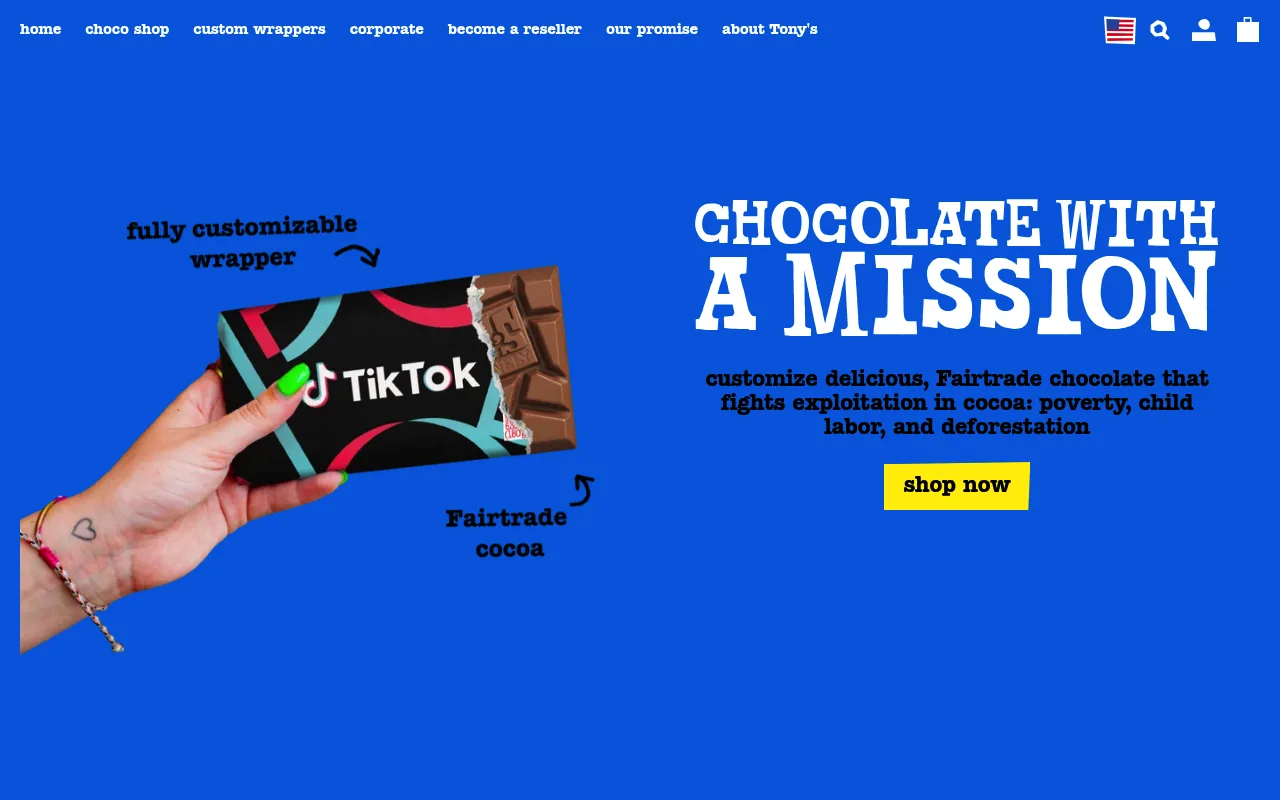
- A mission. Tony's Chocolonely was started in 2005 by Dutch journalist Teun van de Keuken as a protest against exploitation in the cocoa supply chain, and its homepage still leads with exactly that: "chocolate with a mission."
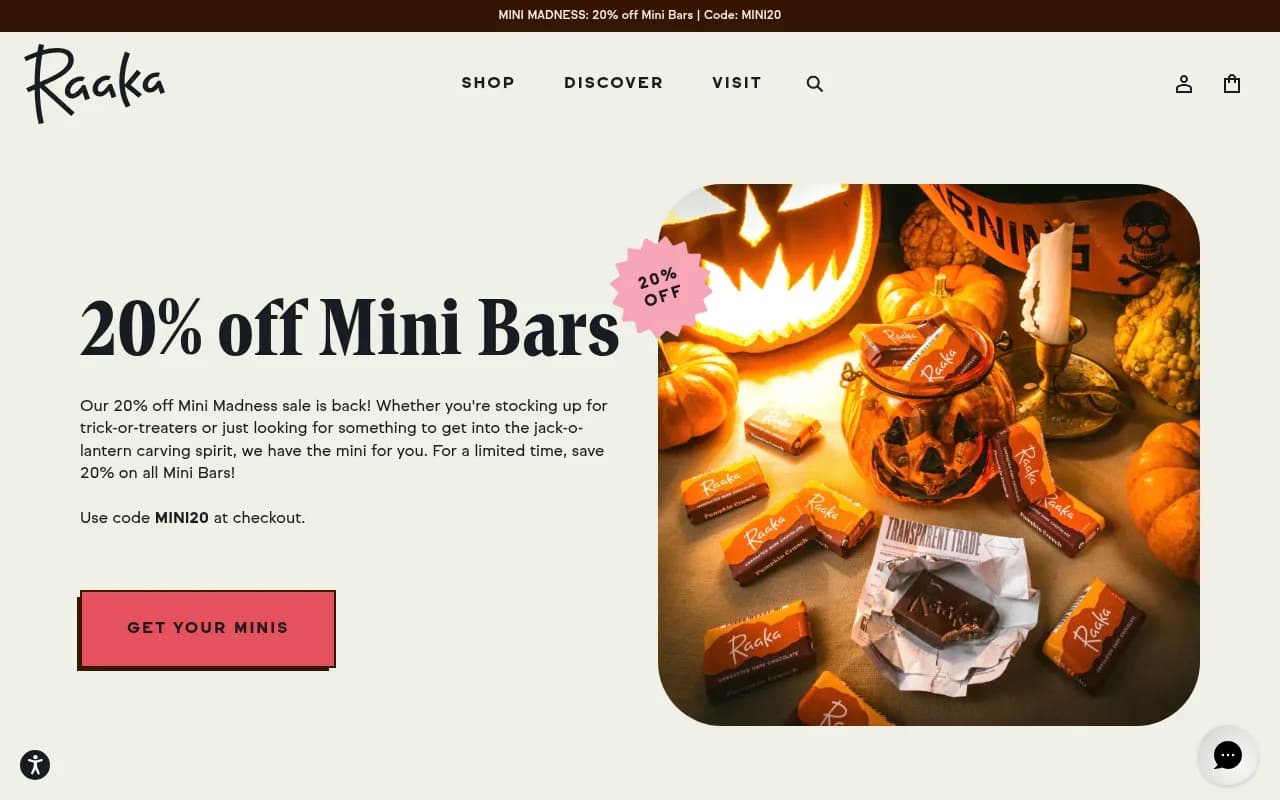
- A flavor idea. Raaka, a Brooklyn maker, built its identity on unroasted cacao and bold, unusual flavor pairings, and it dresses its bars to match, with a loud, playful brand rather than a gold-foil one.
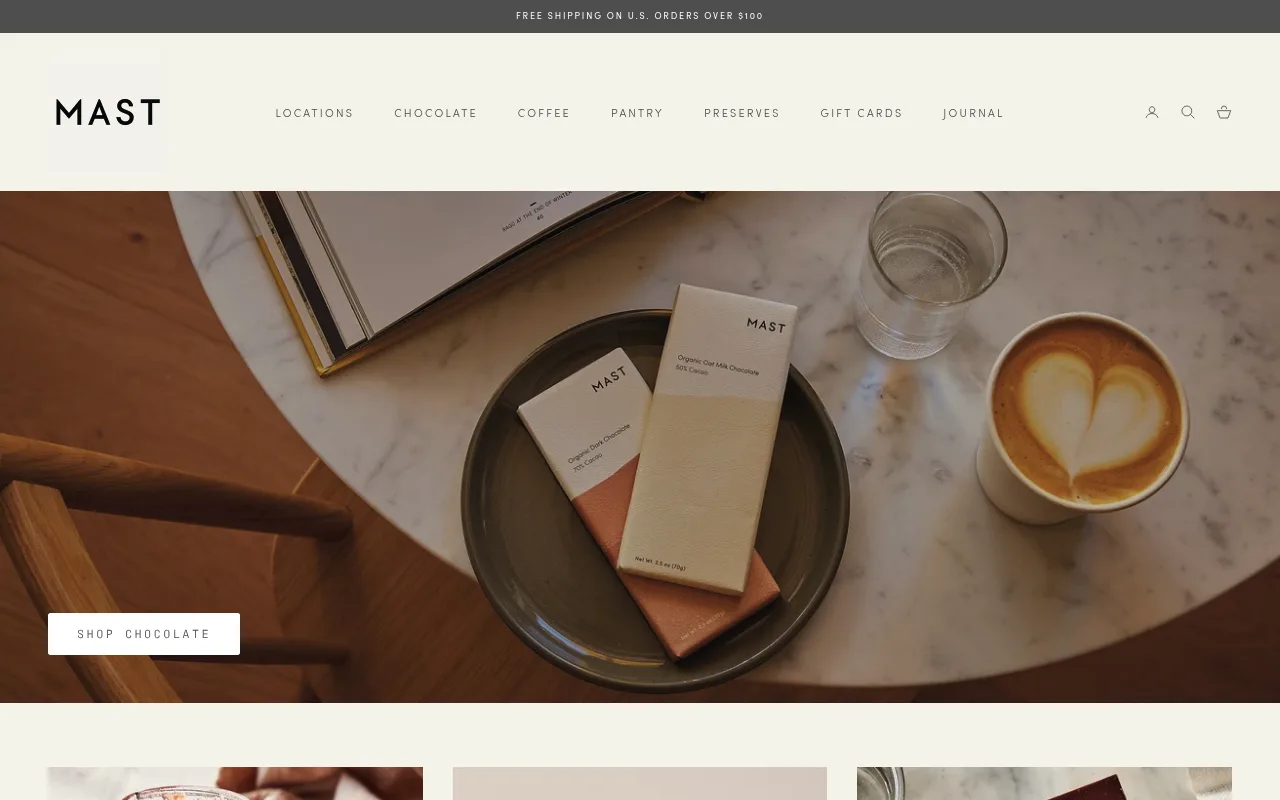
- A design-led gift. Mast photographs its bars like objects you would leave on a coffee table, which positions the chocolate as a considered gift rather than a snack.
- A dietary or lifestyle need. Dairy-free, low-sugar, vegan, nut-free or keto chocolate that tastes like chocolate, not a compromise.
The test: if a grocery chain could put its own label on your exact product without changing anything, your idea is not sharp enough yet. The more specific the person, the cheaper your first hundred customers are.
If you are still deciding on a category, our broader guide to starting an online store walks through picking a niche before you commit. Chocolate also overlaps with gift baskets, where it is often the hero item.
Step 2: Test Demand Before You Buy Equipment
Chocolate has an unusual advantage: people taste before they buy, and you can put it in their hands for the price of a table.
- A farmers market, craft fair or pop-up. A booth costs tens to a few hundred dollars. Hand out samples, watch what people reach for, and note what they say after tasting, not before.
- A preorder or waitlist for a seasonal drop. Valentine's Day, Easter, Halloween and the holidays are the four peaks. A one-page site with a photo of a real batch and a clear description of who it is for is enough.
- A small tasting batch to 15 to 20 people in your target group. Ask: "Would you pay $9 for this?" and "What would you change?" Polite compliments do not count.
Test in cool weather if you can. If the first thing your customers learn about your chocolate is that it arrived melted, you have learned the wrong lesson.
Step 3: Decide How the Chocolate Gets Made
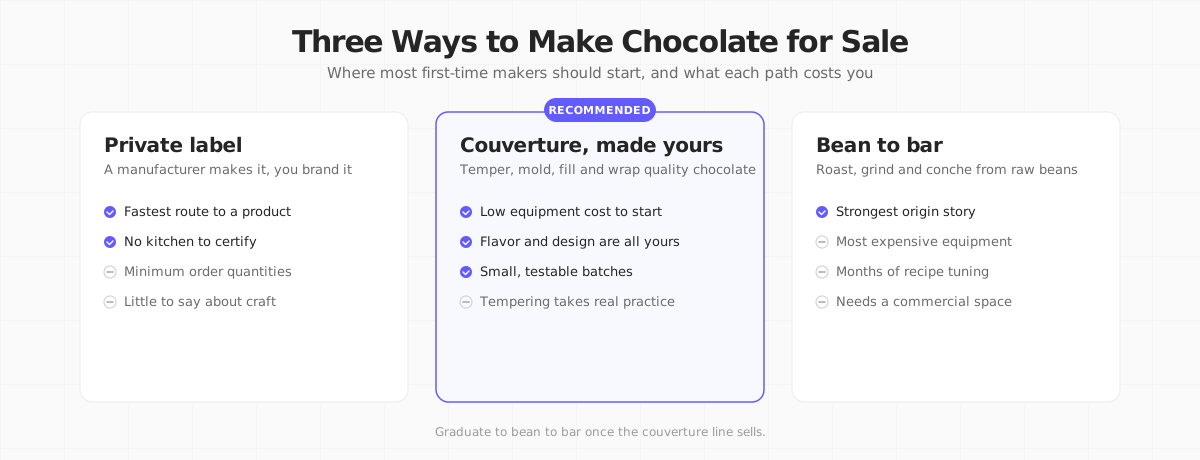
Three real paths. They look similar from the outside and differ hugely in cost, control and legal complexity.
Private label
A manufacturer makes a bar to your spec (or from their catalog) and you put your wrapper on it. Minimum orders vary widely by manufacturer, so get quotes. You skip the kitchen, but you also have little to say about craft, and customers can often find similar products under other brands.
Couverture, made yours
You buy quality chocolate (called couverture) in bulk from a supplier, then temper, mold, fill and wrap it yourself. This is how most chocolatiers and truffle makers start, and it is the path most first-time founders should take. Equipment can be modest at first; some small makers begin hand-tempering and move to a tempering machine only when volume demands it. Tabletop tempering machines in the low thousands of dollars exist, as do used machines for much less, though prices vary by region and capacity, so treat any number as a starting point for supplier quotes.
Bean to bar
You buy cacao beans, then sort, roast, crack, winnow, grind and conche them into chocolate. It gives you the strongest origin story and complete control over flavor. It also needs expensive equipment, a lot of recipe tuning, and a commercial space. Some estimates put a basic melanger at $3,000 to $8,000, and that is before roasters, winnowers and a conche.
| Path | Startup cost | Time to a sellable bar | Craft control | Skill level |
|---|---|---|---|---|
| Private label | Hundreds to low thousands per SKU (MOQ-driven) | Weeks | Low | Low |
| Couverture, made yours | Low thousands | Days to weeks | Medium to high | Medium (tempering) |
| Bean to bar | Often $10,000+ | Months | Full | High |
Most first-time founders should start with couverture, not bean to bar. The story is weaker, but you will learn what customers actually buy while spending a fraction of the money. Move to bean to bar once a couverture line sells and you know why.
Step 4: Do the Food-Safety and Labeling Work
This step trips up chocolate makers because food rules depend on where you make it, where you sell it and what you claim.
In the US
- Cottage food laws. Many states let you make certain low-risk foods at home and sell them directly to consumers. Some states include chocolate and confections, and others restrict or exclude items that need temperature control or tempering. Sales channels are often limited too: farmers markets and direct sales may be allowed, while wholesale or online shipping may not be. Your state's department of agriculture or health sets the specifics.
- A commercial or shared kitchen is the usual route if you want to ship online or sell wholesale. Many makers rent time in a licensed commissary kitchen while they grow.
- FDA food facility registration. The FDA requires facilities that manufacture, process, pack or hold food for US consumption to register and renew every two years, subject to exemptions (for example for certain retail food establishments and small farms). Whether your setup is exempt depends on your facts, so confirm with the FDA or a food regulatory consultant.
- Allergen labeling. Milk is a major allergen and is in most chocolate. US labels must declare the major allergens, which now number nine, including peanuts, tree nuts, milk, soy, wheat and sesame. Cross-contact between your nut line and your plain line is a real operational risk, so plan your cleaning process and your "may contain" language carefully.
- Labels in general: product name, net weight, ingredients in descending order, allergens, and your name and address.
In the UK and EU
- Register your food business. In the UK, councils generally expect you to register at least 28 days before you start trading; registration is free. In the EU, requirements are set by each member state's food authority.
- 14 allergens. Prepacked food in the UK and EU must emphasize any of the 14 main allergens in the ingredients list: milk, nuts, soy, gluten cereals, sesame and the rest. If you sell packed-on-site products, "prepacked for direct sale" rules (often called Natasha's Law in the UK) require full ingredient labeling too.
- What you may call chocolate. Both the UK and EU define what can be sold as "chocolate" or "milk chocolate" by minimum cocoa content, and US rules include standards of identity for chocolate products. If your recipe is unusual (dairy-free, low-sugar, vegetable fat substitutes), check the naming rules before you design the wrapper.
- Cocoa sourcing rules. The EU Deforestation Regulation covers cocoa. Its application dates have shifted, so check the current timetable if you import beans or sell in the EU.
Insurance
Product liability insurance for a food business is not optional once you sell to strangers. Quotes vary with your volume and channels. Do not skip it to save a few dollars a month; an allergen incident can cost far more than years of premiums.
Always check the current rules where you sell. This guide summarizes US, UK and EU food rules as of October 2026. Regulations change and vary by state and country, so confirm the details with your local food authority, the FDA or a food regulatory specialist before you produce or sell. This is general information, not legal advice.
Step 5: Master Tempering, Shelf Life and Packaging
Tempering is the skill
Properly tempered chocolate snaps, shines and resists bloom (the white, dusty streaks that look like mold but are fat or sugar crystals). Badly tempered chocolate looks dull, bends instead of snapping and blooms on the shelf. You can learn it by hand, with a tabletop machine, or with seeding methods, but you have to learn it before you sell. It is the chocolate equivalent of the cure time in soap: the part you cannot rush.
Shelf life is a product decision
Plain dark bars last months. Filled chocolates, truffles with fresh cream and anything with fresh fruit last days or weeks. Every filling you add shortens your shelf life and raises your food-safety obligations. If you are new, a short menu of bars and simple filled pieces is far easier to run than a case of fresh ganache.
Heat is the real shipping problem
Chocolate begins to soften around 72°F (22°C), and most parcels spend days in trucks and warehouses. Common mitigations include insulated liners, gel packs, and avoiding shipping late in the week so boxes don't sit in a depot over the weekend. Many chocolatiers also pause shipping or add a warm-weather surcharge in summer. Askinosie is one example that advertises a warm-weather shipping policy on its site. Build the packaging cost into your price from day one.
Step 6: Price for Melt, Shipping and Breakage
The classic mistake: "a good bar costs $9 at the store, so I'll charge $9." That works at a market, where you pay no shipping and almost no marketing. It breaks online.
Here is an illustrative landed cost for a 2.5 oz (70 g) bar. Your ingredient costs will vary with your chocolate, inclusions and region, and cocoa prices swing, so use this as a template, not a quote.
| Cost component | $ per bar |
|---|---|
| Chocolate and inclusions (including waste) | $1.50 |
| Wrapper, inner foil and carton | $1.10 |
| Labor (tempering, molding, wrapping) | $1.00 |
| Total landed cost | $3.60 |
Now compare two channels.
At a farmers market, a $9 bar:
| Where the money goes | $ |
|---|---|
| Landed cost | $3.60 |
| Card fee (about 2.9% + $0.30) | $0.56 |
| Booth fee spread across about 40 bars | $1.50 |
| What you keep | ~$3.34 (about 37%) |
Online, a four-bar box at $40:
| Where the money goes | $ |
|---|---|
| Landed cost (4 bars) | $14.40 |
| Card fee | $1.46 |
| Shipping with insulated packaging | $9.00 |
| Melt and breakage reserve (about 5%) | $2.00 |
| Marketing (about 20% of revenue) | $8.00 |
| What you keep | ~$5.14 (about 12.9%) |
That is the honest picture: the same chocolate earns roughly three times the margin at a table as it does in a parcel. To clear $3,000 from online boxes you would sell about 584 boxes. This is why many small chocolatiers use markets and wholesale to build a following, then ship online in seasonal drops with higher order values, subscriptions or gift sets.
If the math doesn't work at your price, raise the price, increase the minimum order, or change the packaging before you launch. Cocoa prices are volatile, and manufacturers have been working through cocoa bought at much higher prices than today's market, so ask your supplier how their prices are set and how often they change.
Step 7: Set Up a Website That Sells in the Right Season
You do not need a custom build. You need honest photography, ingredients and allergens on every product page, a shipping policy that explains heat, and a checkout that works on a phone.
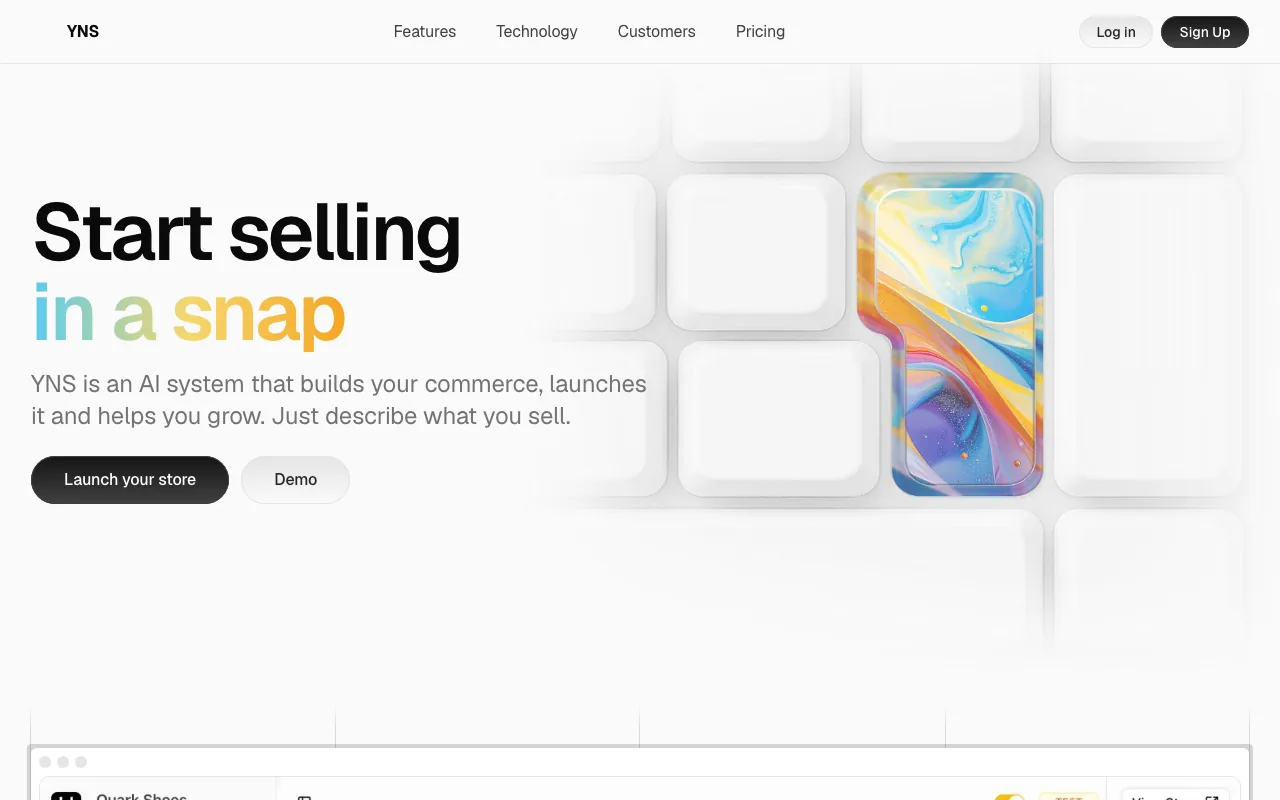
- Your Next Store (us, to be upfront) starts at $30/month, or $25/month billed yearly, with 0% platform transaction fees on every plan (Stripe's standard processing fees still apply). An AI-powered builder sets the store up with you, discount codes and shipping integrations are built in, and the platform supports subscriptions, which suits a chocolate-of-the-month club.
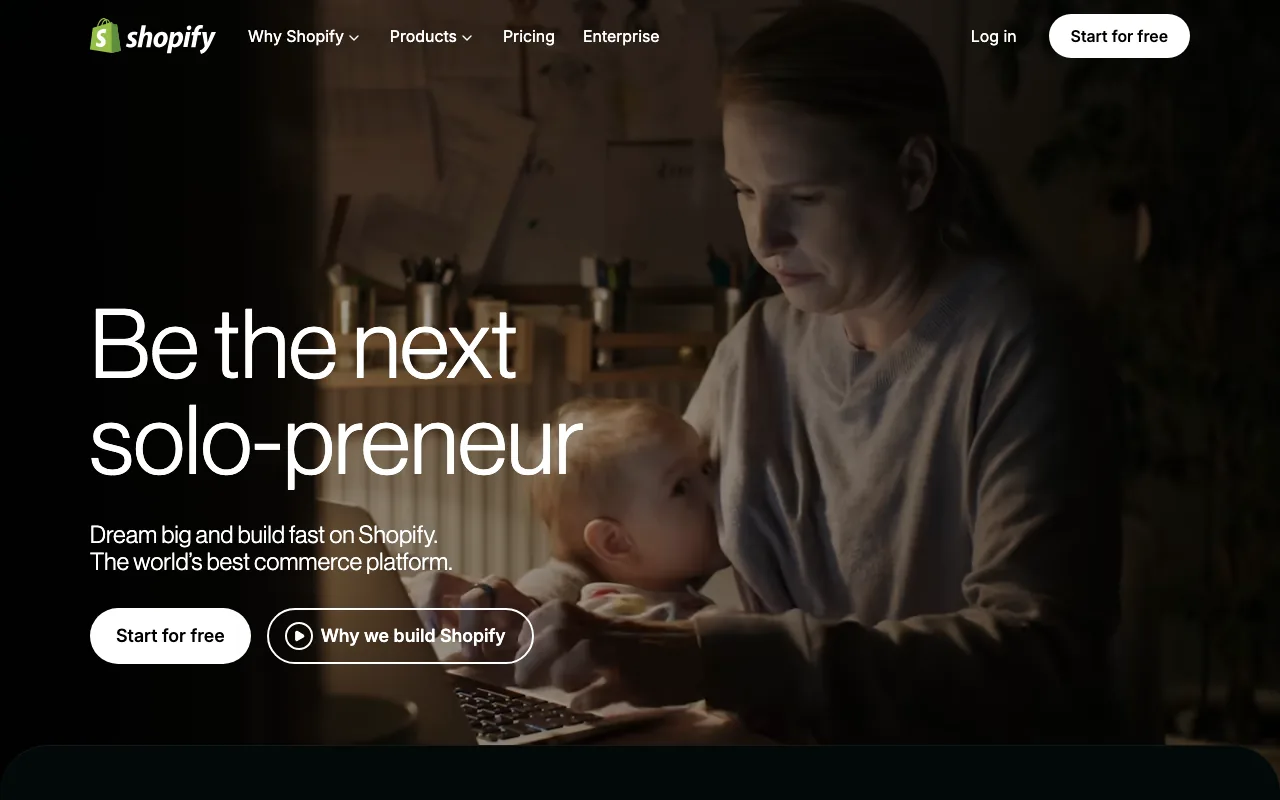
- Shopify is the familiar default at $39/month, with apps for gift messaging, delivery-date pickers and weather-aware shipping. Apps add up, so price the stack, not just the plan. See what Shopify actually takes from a $100 sale.
- Etsy brings gift shoppers who are already searching, at the cost of transaction and listing fees and a customer who belongs to the marketplace first.
- Squarespace or Wix work for a small seasonal drop, though shipping rules and variants are limited.
- Instagram plus a payment link. If you sell a few products to an audience you already have, a Stripe payment link costs close to nothing and works until volume makes it painful.
Whatever you pick, set up your shipping strategy for heat before you take your first order: cutoff days, summer pauses and a clear note at checkout save you more in refunds than any app.
Honest recommendation: sell at markets first, and open the site when you have a repeatable product line and a reason for people to order from afar (seasonal gifting, a subscription, a corporate order).
0% platform transaction fees on every plan. A modern storefront for your chocolate business, ready in minutes.
Step 8: Pick One Place to Get Noticed
Chocolate sells on taste and gifting, so the best channels put it in someone's hand or on someone's gift list.
- Markets and pop-ups. The best channel under about $10,000 in revenue, for the margin reasons in Step 6, and the fastest way to learn what people reach for.
- Gifting seasons. Plan backwards: Valentine's Day, Easter, Halloween and the holidays are most of the year's demand. Open preorders weeks ahead.
- Wholesale to cafes, boutiques and grocers. Wholesale pays roughly half of retail, so rerun Step 6 at that price before you say yes.
- Corporate gifting. Orders of 50 to 500 boxes with custom wrappers are among the most profitable things a small chocolatier sells.
- Subscriptions. A monthly bar or box turns a seasonal product into recurring revenue, if you can make it consistently. Our guide to selling subscriptions online covers the mechanics.
- Content. Tempering, molding and unwrapping videos perform well because chocolate is satisfying to watch.
- Paid ads, last. Start them after you know which products sell and what a customer is worth.
What It Actually Costs to Start a Chocolate Business
Realistic ranges, which vary with your region, kitchen and volume:
| Your approach | Upfront cost | What you get |
|---|---|---|
| Couverture, hand-tempered, markets only | $1,000 to $3,000 | A few bars or bonbons, molds, packaging, a booth |
| Couverture, shared kitchen, small site | $3,000 to $10,000 | Tempering machine, licensed kitchen time, branding, insurance |
| Bean to bar, small factory | $15,000 to $50,000+ | Roaster, melanger, conche, a commercial space |
| Private label at volume | $5,000 to $30,000 | Branded retail bars, no production, MOQ-driven |
Two honest warnings hidden in that table:
- Equipment is rarely what ends a chocolate business. Summer is. A founder who budgets for a tempering machine but not for insulated shipping will meet their first heat wave with a refund queue.
- A "simpler" product is not a "worse" product. Three excellent bars outsell fifteen average ones, cost less to ship and are far easier to keep consistent.
The chocolate businesses that survive year one are the ones that picked a specific customer, tested at a table before they bought equipment, understood their local food rules, and priced for the real cost of a parcel in July. Chocolate is the rare product where the margin lives in the person holding the bar.
FAQ
How much does it cost to start a chocolate business?
Roughly $1,000 to $3,000 to start small with couverture and market sales, $3,000 to $10,000 with a licensed kitchen and a small site, and $15,000+ for bean to bar. Equipment, kitchen access and insurance drive most of the difference.
Do I need a license to sell chocolate from home?
It depends on where you live. Some US states allow chocolate under cottage food laws with limits on where and how you sell, and others do not. In the UK you register your food business, and EU countries have their own registration. Check with your local food authority before your first sale.
Is a chocolate business profitable?
It can be. A $9 bar can keep around 37% at a market, but a four-bar box shipped online may keep closer to 13% after insulated packaging, shipping and marketing. Higher order values, wholesale and corporate gifting improve the picture.
Can I ship chocolate in the summer?
Yes, with insulated liners, gel packs, faster shipping and sensible cutoff days, and many makers pause or add a surcharge during heat waves. Chocolate softens around 72°F, so tell customers up front and build the cost into your price.
Should I start with bean to bar or couverture?
Couverture, for almost every first-time founder. You learn tempering and what customers want while spending a fraction of the money, and you can move to bean to bar once a line sells.
Related Blog Posts
- How to Start a Gift Basket Business: A Real Guide
- How to Start a Candle Business in 2026: The Honest Beginner's Playbook
- Ecommerce Shipping Strategy: How to Set Rates Without Losing Money
- How to Sell Subscriptions Online: Models, Tools and Churn
- How to Start an Online Store in 2026: A Beginner's Playbook