How to Start a Candle Business in 2026: The Honest Beginner's Playbook
 Jakub Neander
May 26, 202612 min read
Candles are one of the friendliest products a beginner can sell. Low minimum order quantities, a kitchen-table prototype, and gross margins that quietly beat almost every other physical product. They are also one of the few products that can literally catch fire if you skip the boring steps. This is the guide I'd hand to a friend before they spend a dollar: seven steps, in the right order, with honest numbers for what it actually costs in 2026.
The 7 Steps, in Order
- Pick a very specific kind of person you're making candles for. Not "people who like candles." One type of person.
- Get a small group to say "yes, I'd buy this" before you order bulk supplies.
- Pick your wax and format based on the look, scent throw, and how much money you want to put in.
- Do the boring safety and labeling work. Burn-test every scent.
- Set the price so the math works. The honest rule is at least 4× your cost.
- Set up a simple website where people can actually buy.
- Pick one place to get noticed. Not all the places. One.
Now the long version.
Step 1: Pick a Very Specific Kind of Person You're Making Candles For
The fastest way a new candle brand fails is being "for everyone." Search Etsy for "soy candle" right now and you'll see hundreds of thousands of listings. Almost none of them stand out. The brands that do stand out are the ones a specific person looks at and thinks, this is for me.
So before you pick a scent or a jar, decide who you're making candles for. A good answer is specific enough that it almost sounds too small. A bad answer is "women 25 to 45 who like nice things."
If you haven't decided whether candles are even the right product to start with, our broader playbook for starting any online store walks through the customer and category decisions before you commit.
Good answers look like this:
- People who want their apartment to smell like a forest cabin in October, year-round.
- Wedding planners who need elegant, unscented pillar candles by the hundreds.
- Book lovers who want their reading nook to smell like the world of the novel they're in.
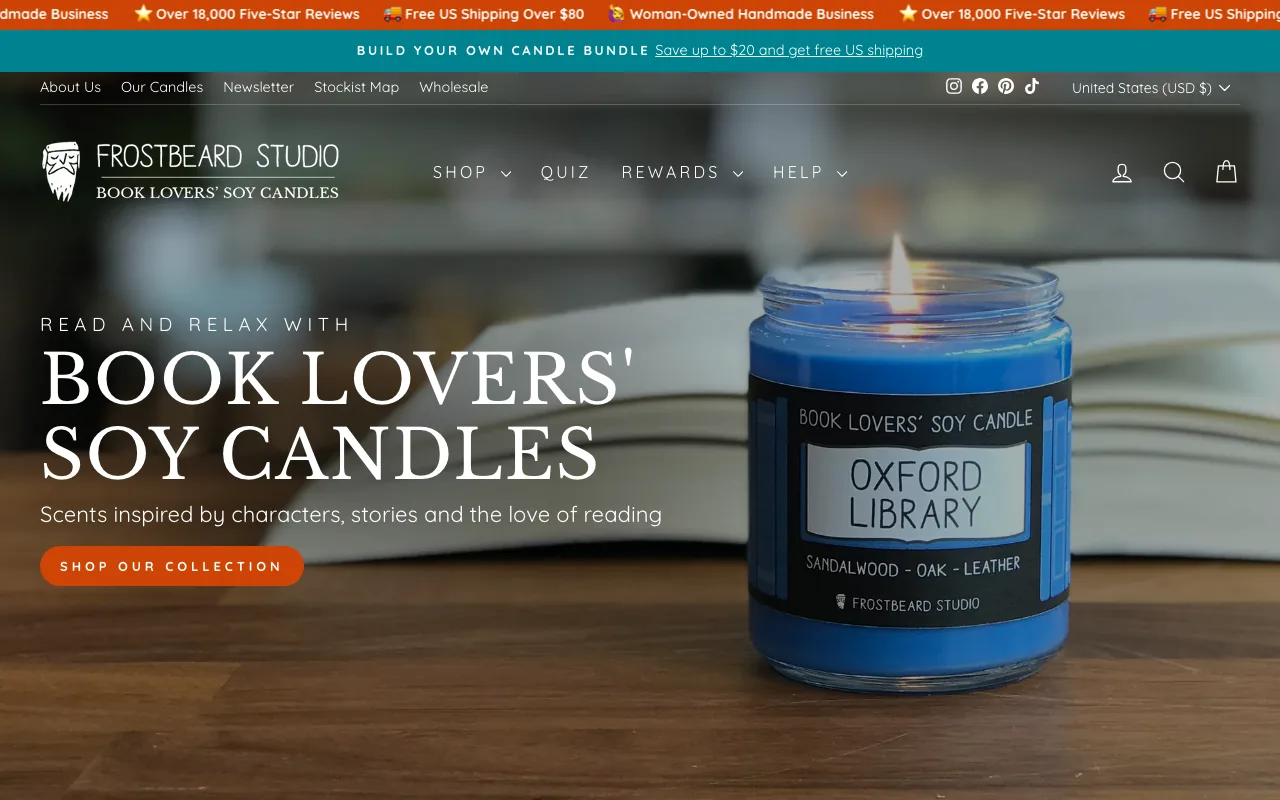
That last one is Frostbeard Studio. They make candles named after books and book settings ("Bookstore," "Oxford Library," "Reading at the Cafe," "Sherlock's Study"). That's it. No generic "lavender vanilla" SKUs. Their entire homepage tells you in three seconds who it's for.
The test: if Bath & Body Works could put your candle on a shelf tomorrow without changing anything about who they are, you haven't picked a sharp enough idea. Your advantage as a small candle maker is not that you have a bigger factory. It's that you can care about one specific kind of person more than a giant company can.
One tailwind in 2026: shoppers are spending more on candles tied to a feeling, a place, or an identity, and less on the generic "spa day" scents that dominated the 2010s. Niche wins.
Step 2: Get a Small Group to Say "Yes" Before You Order Bulk Supplies
This is the step almost every first-timer skips. You don't need to order 50 lbs of wax to find out if your idea is good. You need to find out if your idea is good before you order 50 lbs of wax.
Three cheap ways to test:
- A one-page website with a "Join the waitlist" button. Show your concept, a mood board, two or three planned scents, and ask for an email. Spend $100 to $200 on Instagram ads to send your target person to it. If fewer than 1 in 50 people who land on the page sign up, your idea is not clicking yet. Go back to Step 1.
- Take pre-orders for a single test run. Same page, but instead of "Join the waitlist," it's "Pre-order, ships in 6 weeks." People who hand over a credit card are the only real signal. Ten pre-orders are worth more than a thousand likes.
- Make 20 candles for friends and family and ask for honest feedback. Two questions only: "Would you actually buy this?" and "What would you change?" Polite "love it!" replies don't count. You want the friend who tells you the lid is too cheap.
This step costs a weekend and maybe $200 of supplies. Skipping it can cost you $2,000 in wax, jars, and fragrance oils for candles that nobody wants.
Step 3: Pick Your Wax and Format
This is where most beginners get stuck for weeks reading forum threads. Here is the short version of every wax debate, with the tradeoffs that actually matter for a small brand in 2026.
Soy wax (the safe default for beginners)
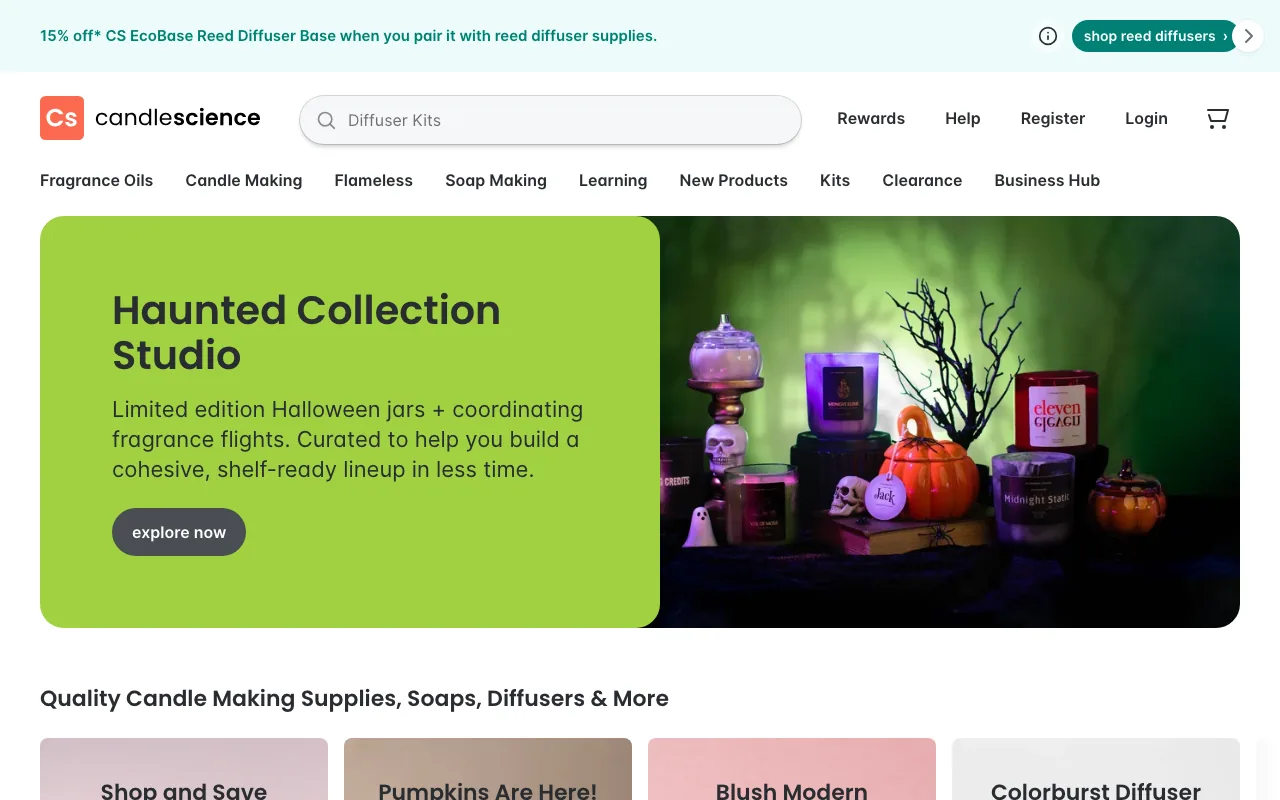
A natural wax made from soybeans. Easy to work with, melts at a low temperature, holds scent well, and customers love it. Cost is typically $3 to $5 per pound in small quantities from suppliers like CandleScience or Bulk Apothecary.
The downside is cosmetic. Soy candles often develop a "frosting" (a white crystalline layer on the surface) and sometimes a wet, uneven top. Real customers don't mind. Instagram does. You either lean into the rustic look or invest more time in pour temperature and cooling control.
This is the right choice if you're starting with container candles, you want a clean "natural" story, and you have less than $1,000 to put in.
Coconut blend (the premium look)
Coconut wax (usually blended with soy or apricot wax) burns cleanly, has an excellent scent throw, and pours to a glassy, even top that photographs beautifully. It's the wax most "premium" brands you see on Instagram are using.
Cost is roughly double soy. Expect $6 to $10 per pound. You make it back if your retail price is also higher.
This is the right choice if your brand sits in the mid-market or premium range ($30+ retail).
Paraffin and parasoy (best scent throw, cheapest)
Paraffin is a petroleum-derived wax. It's been the industry default for a century because it's cheap and the scent throw is excellent. Yankee Candle uses parasoy (a paraffin/soy blend). It still works.
Customers in the "natural" niche won't buy paraffin. Customers in the "great scent for $15" niche don't care. Pick based on who you decided in Step 1.
Beeswax (specialty)
Beautiful, warm honey smell on its own, very long burn time, premium price. Hard to scent strongly because it has its own scent. Best for unscented pillar candles or as a small blend.
Wicks: get this right or your candles fail safety tests
The wick is the single most-tested part of a candle. Wrong wick size and your candle either tunnels (burns straight down the middle) or "mushrooms" (forms a black ball on the wick and smokes). Both will get returned.
Order a wick sample pack from CandleScience or Makesy when you start. You'll burn through 5 to 10 wicks per jar size before you find the right one. That's not a sign you're bad at this. That's how every candle maker works.
Your starter shopping list
A realistic first order, for a beginner doing soy candles in 8 oz jars:
| Item | Cost |
|---|---|
| 25 lbs of soy wax | $90 |
| 5 fragrance oils (4 oz each) | $80 |
| 50 glass jars with lids (8 oz) | $130 |
| Wick sample pack + a roll of your final wick size | $40 |
| Pouring pitcher, digital scale, thermometer, heat gun | $80 |
| Warning stickers and basic labels | $40 |
| Total | ~$460 |
That makes about 50 finished candles, enough to test 5 scents, get burn data, take photos, and fill a small first batch of pre-orders.
Step 4: Do the Boring Safety and Labeling Work
This is the step that separates a hobby from a business. Candles are a regulated product because they are, you know, fire. Skip this and your insurance won't cover a claim, your platform can suspend your listings, and a single bad burn can become a lawsuit.
The labels you must include
In the United States, every candle you sell needs:
- A fire safety warning that follows ASTM F2058, visible at the point of sale. This includes the "burn within sight, keep away from flammable things, keep away from children and pets" wording. The National Candle Association publishes the standard wording.
- A manufacturer identity and the net weight of the wax in ounces and grams that meet the Fair Packaging and Labeling Act. Plain English: your name (or brand name) and how much wax is in the jar (the candle's weight, not its fluid volume), in both units. CandleScience's label guide has good examples.
- For California sales, a Prop 65 warning if your fragrance oils contain any of the listed chemicals. Most fragrance suppliers tell you on the spec sheet.
Burn-test every scent, every jar size
ASTM F2417 is the fire-safety standard candles are supposed to pass. The short version: your candle must not produce flames taller than a certain height, must not tip over easily, and must self-extinguish by the time it runs out of wax. The way you confirm this is to burn each scent in each jar all the way to the bottom, in 3 to 4-hour sessions, and write down what happens.
Yes, this takes weeks. Yes, you have to do it for every new scent you launch. There is no shortcut.
Insurance
Product liability insurance for a small candle business runs about $40 to $70/month, or $400 to $700/year. You should not skip this. One customer who claims your candle damaged their countertop will eat several years of premiums in a single phone call.
One more thing: where you can make candles
In most US states, you can legally make candles in your home kitchen for retail sale, but a cottage food law does NOT cover candles (those are for food only). Check your state and city's rules for home-based businesses, business licenses, and zoning. The cost of a small business license is usually $50 to $100/year.
Step 5: Set the Price So the Math Works
The classic beginner mistake: "candles at Target cost $20, so I'll charge $18." That math doesn't work, because Target's supplier is paying $2 to make a candle and you're paying $5 to $7.
Here's the honest rule: your retail price should be at least 4× what it costs you to make one candle, all-in. Wholesale is at least 2× cost. Anything less and the business doesn't survive its first inflation cycle.
Why 4×? Because "what it costs you to make" isn't just the wax. It's also:
- Credit card fees on the sale.
- Shipping to the customer (heavy, breakable, expensive).
- Packaging (a glass candle needs a real box, not a poly mailer).
- Refunds and breakage. Roughly 5 to 10% of online candle orders break in transit.
- Marketing (ads, samples to creators, your time making content).
Quick example for an 8 oz soy candle. Say your variable cost is $5.50 to make one candle. You sell it for $24 (about 4.4×, the minimum that actually works). Here's where the money goes:
| Where the money goes | $ |
|---|---|
| Wax, fragrance, wick, jar, label, box | $5.50 |
| Credit card fee (Stripe, 2.9% + $0.30) | $1.00 |
| Shipping to customer (avg) | $7.00 |
| Breakage reserve (~5% of orders) | $1.20 |
| Marketing (~20% of revenue) | $4.80 |
| What you actually keep | ~$4.50 |
So a $24 candle earns you about $4.50 in profit. You'd need to sell about 220 candles to cover a $1,000 first order of supplies, and another hundred or two to pay for the photos, samples, and tools it took to get there. That's the realistic target for your first quarter, not a flat revenue number.
Notice what happens if you drop the price to $18 (a 3.3× markup): your profit per candle collapses to roughly $0.50, and you'd need to sell 2,000 candles to break even on the same supplies. If the math doesn't land, don't launch. Raise the price, simplify the packaging, or pick a cheaper jar. The worst outcome is launching at the wrong price and finding out six months later that every candle you sell loses money.
For market context, CandleScience's pricing guide splits 7 oz candle retail into three tiers: mass market is $8 to $15, mid-market is $16 to $34, and premium is $35+. Your wax, jar, and brand should match the tier.
Step 6: Set Up a Simple Website
By now you have a product, real burn data, pricing that works, and (hopefully) a waitlist. Time to give people a place to actually buy.
You don't need anything fancy. You need three things: a few honest product photos, a clear "Buy" button, and a checkout that doesn't scare people off.
The main options in 2026, honestly ranked for first-time candle makers:
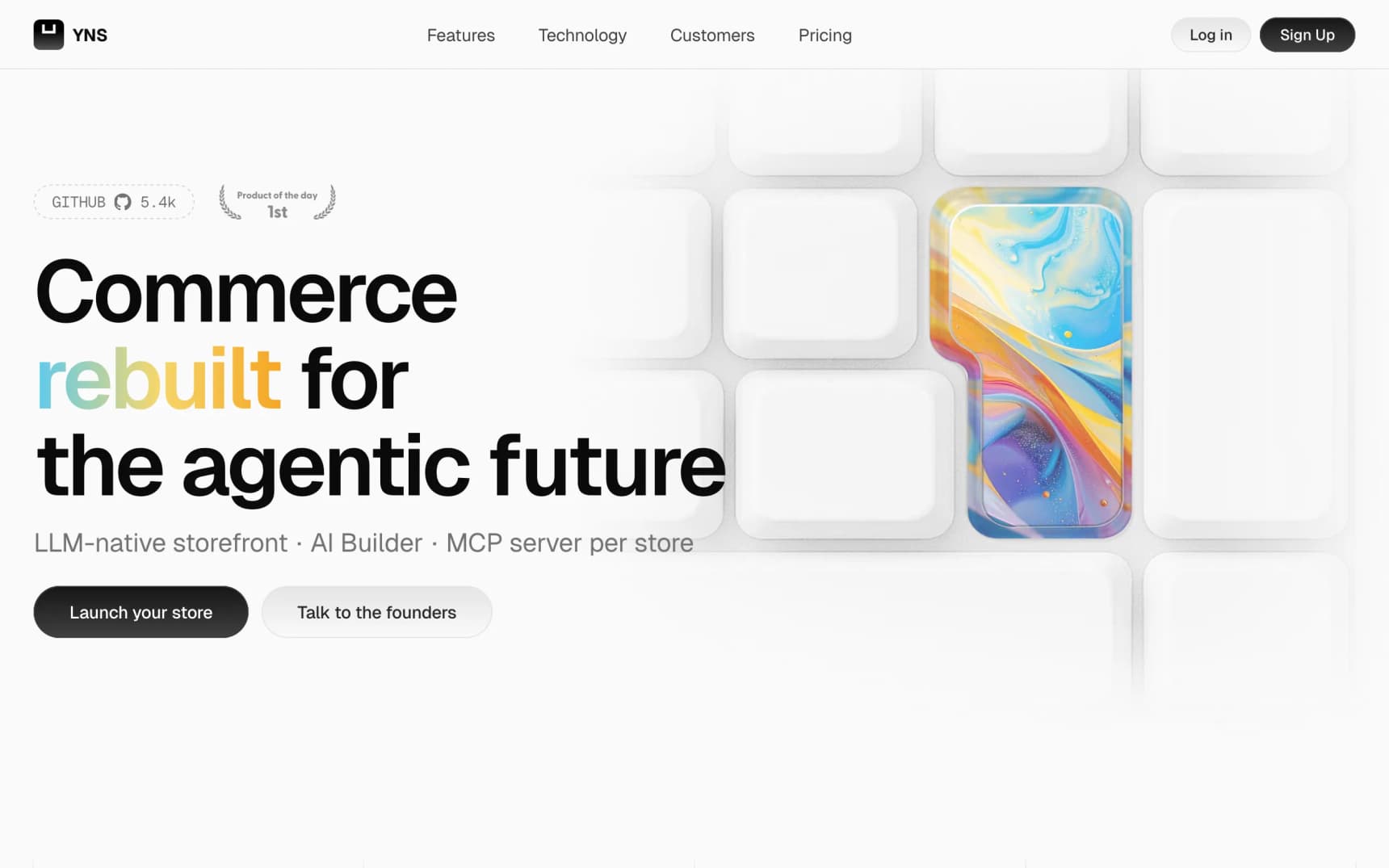
- Your Next Store (us, to be upfront) is the simplest way to get a modern store online without becoming a tech person. Starts at $25/month on the yearly plan, with no extra fees per sale. An AI helper builds the store with you, and search, reviews, and email are already built in, so you don't have to bolt on a bunch of paid plug-ins later. Good fit if you want a real website fast and want to keep monthly costs predictable.
- Etsy is where most first-time candle makers actually start, and that's fine. Built-in traffic, a buyer audience that already trusts the platform, and zero setup. The trade-off is real: Etsy takes a 6.5% transaction fee plus listing fees and ad fees, and your customer thinks of themselves as an Etsy shopper, not your customer. Use it as a starting channel, plan to move buyers to your own site over time.
- Shopify is the safe middle ground. $39/month, just works, and almost every service you'll ever want has a plug-in. The downside: those plug-ins add up to another $200 to $500/month by the time you're shipping at volume, and Shopify takes a small extra fee on every sale if you use a payment method other than Shop Pay.
- Squarespace or Wix are cheap to start and very visual. They work fine for a small first drop. Most candle brands outgrow them within a year.
- Instagram plus a payment link. If you only have 3 to 5 scents and your audience is already on Instagram, you can take orders in DMs and use a simple Stripe payment link for checkout. It's messy but it costs $0. Graduate to a real site when you can't keep up.
Honest recommendation for 90% of first-time candle makers: start with Etsy and a simple website on YNS, Shopify, or Squarespace, on day one. Etsy gives you traffic. Your own site gives you a brand. Run both. Move repeat customers to your site through inserts and email. You can drop Etsy later. You can't easily backfill the audience you'd have lost by skipping it.
0% extra fees on every sale. A modern website for your candle brand, ready in minutes.
Step 7: Pick One Place to Get Noticed
New candle brands almost always win on exactly one channel in their first year, then expand. The beginner trap is trying all of them at once and doing none of them well.
Your options, honestly:
- Instagram and TikTok (free, slow, effective). The default for candle brands because the product is visual and the scent story is told in video well. Works if you can post 3 to 5 times a week for 6 to 12 months. Most makers quit at month three. Don't be most makers.
- Local craft fairs and farmers markets. The single most underrated channel for new candle makers. A weekend table can earn you $400 to $1,500, lets you smell-test scents on real strangers, builds an email list, and gives you content to post. A $50 to $150 booth fee is cheaper than a Facebook ad campaign.
- Pop-up partnerships with local boutiques. Offer to set up a small candle display in a coffee shop, bookstore, or boutique that fits your aesthetic. Profit-share or pay a small commission. You get foot traffic from their crowd; they get a new product their customers love.
- Wholesale to small shops. Once you can make 50 to 100 candles a week reliably, walk into 10 local stores with a sample. About 2 to 3 will buy. Standard wholesale is 50% off your retail price; make sure your math still works at that price. Our guide to selling wholesale online covers terms and pricing tiers.
- Sending free candles to small creators. Pick 30 creators (5,000 to 50,000 followers) in your niche aesthetic, send them a free candle with a hand-written note. Roughly 15 to 20% will post. Often the best ROI channel under $10k in revenue.
- Google and SEO. Slow (6 to 12 months) but powerful for niche searches like "literary candles," "Christmas-tree-scented candle," or "candles for new home gift." Plant seeds now, don't expect it to carry year one.
- Email. The most profitable channel once you have customers. Collect every email from day one, send a simple welcome series, and one campaign before each major gift season.
- Paid ads. Skip this until you have organic content that already works. Cold-start ads for candles are expensive ($30 to $60 per customer is common) and rough on margins.
Pick one main channel and one backup. Run both for six months. Add a third only when the first two are actually making you money.
A Word on Seasonality
Candle sales are extremely seasonal. About 35% of all candle sales happen during the Christmas and holiday season, per the National Candle Association. Plan accordingly:
- Your first big inventory build should land in late September.
- Holiday scents (fir, cinnamon, fireplace, gingerbread) sell out first. Order fragrance oils early; they get backordered every November.
- Have a Q1 plan. January and February are the dead months. Many small candle makers use that window to develop new scents, refresh photos, and apply to spring craft fairs.
What It Actually Costs to Start a Candle Business in 2026
The real-world numbers, pulled from cost breakdowns at Shopify, CandleBusinessPro, and StartupOwl:
| Your approach | Upfront cost | Monthly spend | What you get |
|---|---|---|---|
| Kitchen-table side hustle | ~$500 | ~$50 | 3 scents, 30 to 50 candles per batch, Etsy + Instagram |
| Serious small brand | ~$1,500 | ~$200 | 5 scents, 100 candles per batch, your own simple website, insurance |
| Real launch | ~$5,000 | ~$600 | 8 scents, professional photos, branded packaging, paid ads, wholesale samples |
| Studio-scale operation | $20,000+ | $2,500+ | Dedicated studio space, fragrance development, broad retail, multiple staff |
Two honest warnings hidden in that table:
- A "real launch" at $5,000 will not break even in three months. Plan for 12 to 18 months of cash flow before things turn green, especially if your launch is outside the October-to-December window.
- The $500 kitchen-table version is the only one where you can't lose much. Every row above it has real inventory risk.
If your plan depends on everything going right, your plan is wrong. Budget for a second batch of supplies that fixes everything the first batch got wrong.
The candle makers who survive year one are not the ones with the prettiest jars. They are the ones who priced honestly, burn-tested every scent, and picked one channel to win on. Do those three things and the rest is just patience.
FAQ
How much does it cost to start a candle business in 2026?
Anywhere from $500 to $5,000 depending on how serious you are. A kitchen-table side hustle is around $500 for supplies, a small starter kit, and a few Etsy listings. A serious small brand with insurance, a real website, branded packaging, and 100-candle batches runs $1,500 to $2,500. A "real" launch with professional photos, a wholesale push, and paid ads is $5,000 and up. Most of the cost is the wax, the jars, and the marketing. The website is the cheapest part.
Is a candle business actually profitable?
Yes, with the right pricing. A typical 8 oz soy candle costs $4 to $6 in materials and sells for $20 to $30 retail, which works out to a 60 to 70% gross margin. That's well above the typical retail product. The catch is the back-end costs (shipping, breakage, marketing) chew up about half of that gross margin. Net profit per candle on direct-to-consumer sales is realistically $4 to $8.
Do I need a license to sell candles?
Almost always yes. You need a basic business license from your city (usually $50 to $100/year) and a sales tax permit from your state if you sell at fairs or directly to customers. You do not need FDA approval (candles aren't food or cosmetics), but you do need to follow ASTM F2058 and F2417 fire-safety labeling. Product liability insurance is not legally required but it's a mistake to skip it.
What's the best wax for a beginner?
Soy wax, almost always. It's cheap ($3 to $5 per pound), forgiving to work with, customers love the "natural" story, and most of the beginner tutorials assume soy. Move to coconut or paraffin blends later if you have a specific reason (better top, better scent throw). Don't pick a complex blend on day one.
Should I sell on Etsy or build my own website?
Both. Etsy gives you instant search traffic and a buyer audience that already trusts the platform; expect to pay around 10% in combined fees. Your own website gives you a brand, your customer list, and the ability to email people who already bought. Start with both on day one and route repeat buyers to your site over time.
How long does it take to launch a candle business?
From idea to first sale, as little as 6 weeks on the fast path (soy candles, one or two scents, Etsy, Instagram) and 3 to 6 months on the serious path (proper burn-testing, branded packaging, your own website, insurance, marketing plan). Anyone who tells you they launched a candle brand in a week skipped the burn-testing. Don't be that brand.
Do I have to burn-test every scent and jar size?
Yes. Every scent in every jar. Different fragrance oils change how the wick burns; different jar diameters need different wick sizes. Burn-testing is the single most-skipped step by hobbyists who get burned (literally and financially) once they go to market. Plan for 2 to 3 weeks of testing per scent.
Can I make candles in my home kitchen?
In most US states, yes, for small-scale retail sale. But unlike food, candles are not covered by cottage food laws in any state. You'll need to check your city's home-business and zoning rules. Once you outgrow your kitchen (usually around 100 candles per week), look for a shared makerspace or a small commercial studio at $300 to $800/month.