# How to Start a Soap Business in 2026: The Honest Playbook
How to start a soap business in 2026: true soap vs. cosmetic rules, real cure-time costs, and the 8 steps in the right order.
*Published 2026-08-27*
Soap is one of the cheapest products in retail to start making and one of the easiest to get legally wrong, because the rules change depending on what you say about it, not just what's in it. A bar made from lye and olive oil is regulated completely differently from the exact same bar with "moisturizing" printed on the label. This is the honest playbook for how to start a soap business in 2026: eight steps, in the right order, with real numbers for what it costs, how long a batch actually takes to become sellable inventory, and where beginners lose money.
**A small disclosure:** I help run a company that makes online-store software. In Step 7 ("set up a website"), our product is one of several options I cover. The other seven steps have nothing to do with us, and I'll be straight with you the whole way through.
## How to Start a Soap Business: The 8 Steps, in Order
1. **Pick a very specific customer or problem.** Not "soap for everyone." One person, or one gap on the shelf.
2. **Get real people to say "yes, I'd buy this" before you commit to a full batch.**
3. **Decide how your soap actually gets made:** melt-and-pour, cold process, hot process, or private label.
4. **Do the regulatory work.** Whether you're making "true soap" or a cosmetic is a legal fork, not a marketing choice.
5. **Get curing time, batch size, and packaging right.** This is where soap's cash-flow math gets weird.
6. **Set the price so the math works.**
7. **Set up a simple website where people can actually buy.**
8. **Pick one place to get noticed.** For soap, that's often a table, not a feed.
Now the long version.
## Step 1: Pick a Very Specific Customer or Problem
The fastest way a new soap business fails is trying to be "for everyone." Soap is one of the least differentiated products a person can buy: it's on the shelf at every grocery store, drugstore, and big-box retailer for $2 to $4 a bar. You cannot out-manufacture Dove or Irish Spring on price or distribution. You can out-care them for one specific person or one specific problem they've never bothered to solve well.
So before you pick a scent or a mold shape, decide *who* the soap is for, or *what problem* it solves. A good answer is narrow enough that it almost sounds too small. A bad answer is "natural soap for people who care about their skin."
Good answers look like this:
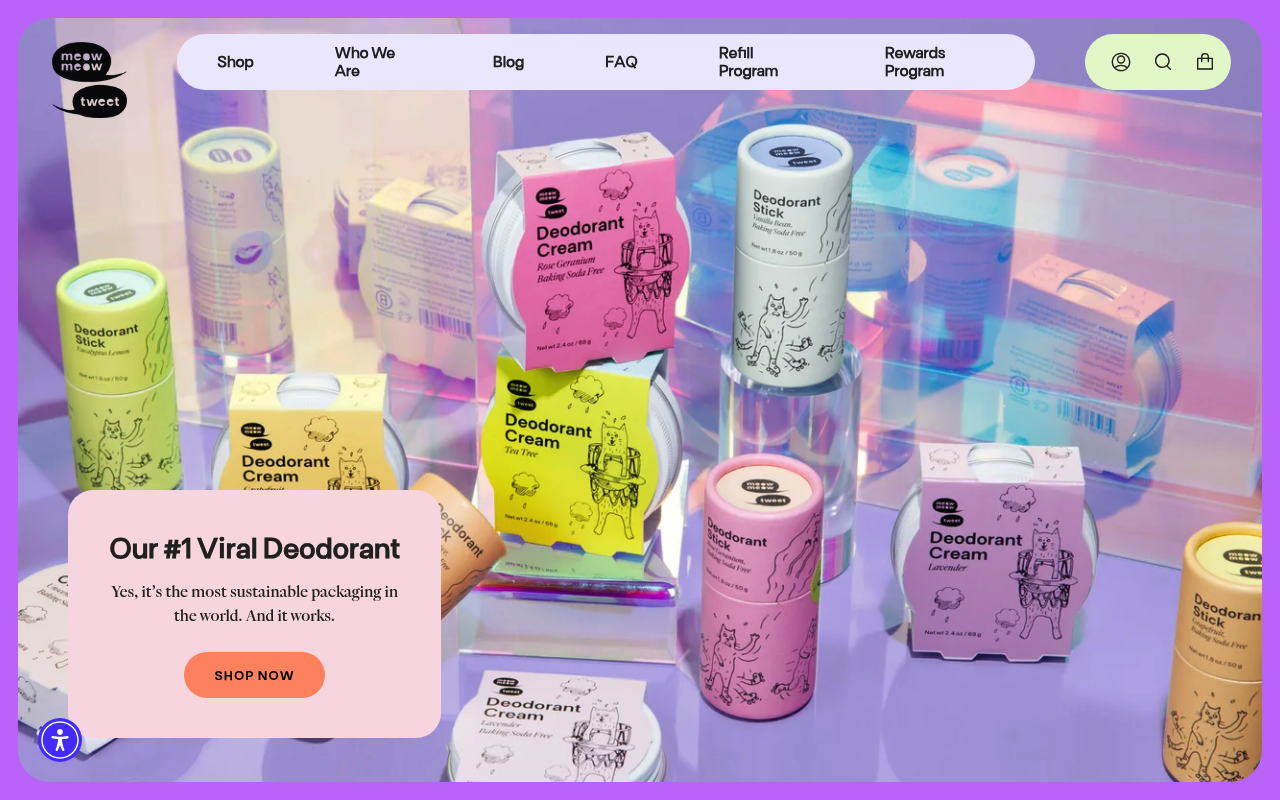
- **A specific skin need the mass market ignores.** [Meow Meow Tweet](https://meowmeowtweet.com/) built its whole line, soap included, around zero-waste, palm-oil-free formulas for people who wanted natural skincare without the greenwashing common in the category. One clear standard, applied consistently across every product.
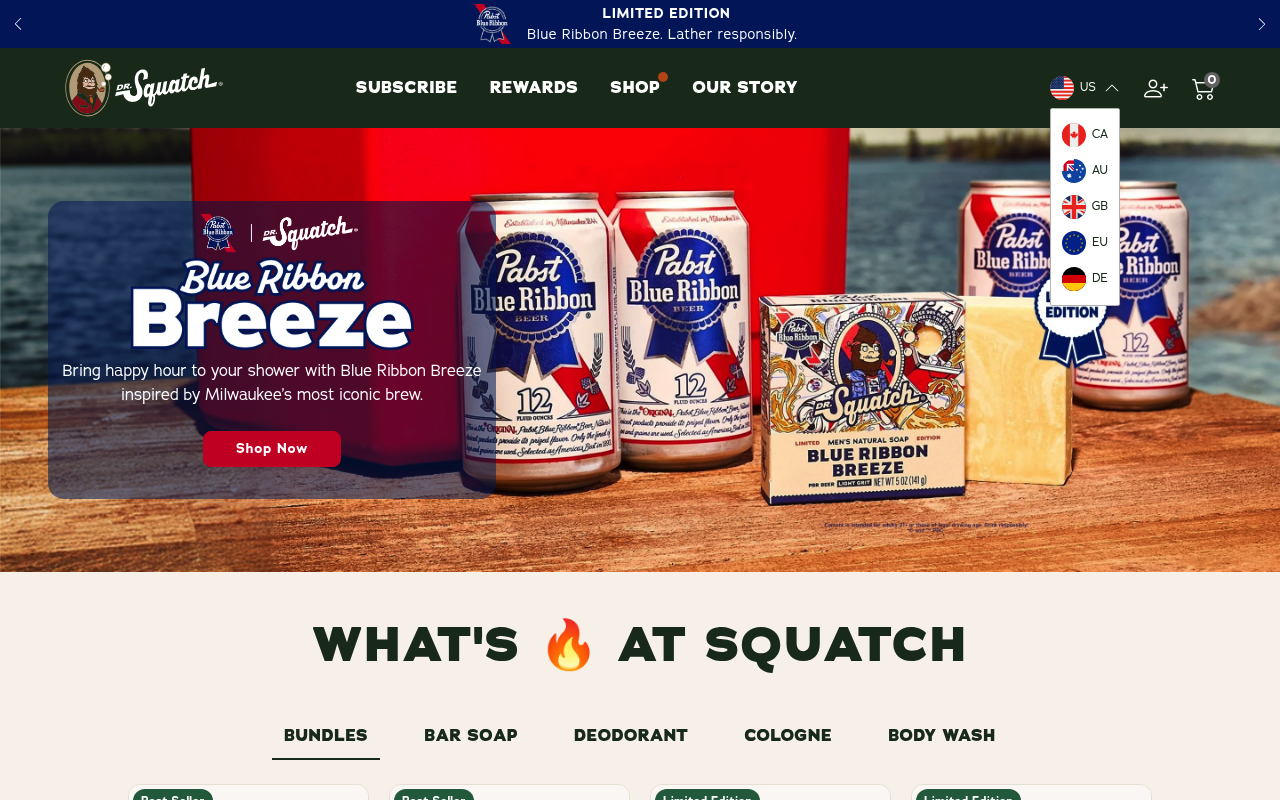
- **A specific audience the category talks down to.** [Dr. Squatch](https://drsquatch.com/) founder Jack Haldrup started the brand after his own psoriasis pushed him toward natural, farmers-market soap, and he noticed there was no version of that soap built for men who didn't want to smell like lavender. Same basic bar-soap format as everyone else, a radically different customer in mind.
- **A format or use-case problem.** Think "soap for people with eczema-prone kids," "soap that doesn't leave residue for hard-water households," or "soap sized for hotel and Airbnb amenity kits." The narrower the wedge, the easier your first hundred customers are to find.
The test: if a grocery store's private-label brand could put your exact bar on a shelf tomorrow without changing anything about who they are, your idea isn't sharp enough yet. Your advantage as a small soap maker isn't a bigger factory. It's that you can care about one specific person, skin type, or scent story more than a conglomerate ever will, and say so clearly on your homepage.
If you're still deciding whether soap is the right category to start in, our broader [guide to starting an online store](/blog/how-to-start-an-online-store) walks through the customer and category decision before you commit to a specific niche. And if you're weighing soap against its closest sibling category, our [candle business guide](/blog/how-to-start-a-candle-business) covers a nearly identical playbook: similar starting costs, the same craft-fair-and-Etsy-first path, and a lot of overlap in who actually buys both.
## Step 2: Get Real People to Say "Yes" Before You Commit to a Full Batch
You do not need 200 bars of a lavender-oat soap to find out if your idea is good. You need to find out if it's good *before* you cure 200 bars of it, especially once you know (Step 5) that a batch can tie up your ingredients for over a month before you can sell a single bar. This is the cheapest insurance you'll buy in this whole process.
Three ways to test demand before you scale production:
1. **A single farmers market or craft fair table.** This is soap's unfair advantage over almost every other product category: you can put ten bars on a table for a $20 to $50 booth fee and get direct, in-person reactions the same afternoon. Watch what people actually pick up and smell, not just what they say they like.
2. **A one-page site with a waitlist or pre-order.** Show two or three planned scents, a real photo of an early batch, and a specific description of who it's for. Spend $100 to $200 on Instagram or TikTok ads sending your target customer there. If fewer than roughly 1 in 50 visitors sign up, the idea isn't landing yet. Go back to Step 1.
3. **Give away a small test batch to 15 to 20 people in your target group.** Ask two questions only: "Would you actually buy this?" and "What would you change?" A polite "smells amazing!" doesn't count. You want the person who tells you it left their skin feeling dry.
This step costs a weekend and maybe a hundred dollars in ingredients and a booth fee. Skipping it can cost you weeks of curing time and a full batch of ingredients for a scent nobody wanted.
## Step 3: Decide How Your Soap Actually Gets Made
This is the decision that shapes your costs, your timeline, and how much control you have over the actual formula. There are four real paths, and the right one depends on your budget, your patience, and how much you care about the recipe being genuinely yours.
### Melt-and-pour (fastest way to a real product)
You start with a pre-made soap base (glycerin, shea butter, or goat's milk are common), melt it, add fragrance and color, and pour it into molds. It hardens in a few hours and needs no cure time at all: [melt-and-pour bars are ready to use as soon as they're unmolded](https://soapqueen.com/bath-and-body-tutorials/tips-and-tricks/pros-cons-of-soapmaking-methods-cold-process-melt-pour-hot-process-and-rebatch/). This is the right starting point if you want to validate a scent lineup and a brand fast, with the least equipment and the least safety risk, since there's no raw lye to handle. The trade-off is formula control: you're customizing an existing base, not building the soap from raw oils.
### Cold process (the classic "real" bar, and the classic bottleneck)
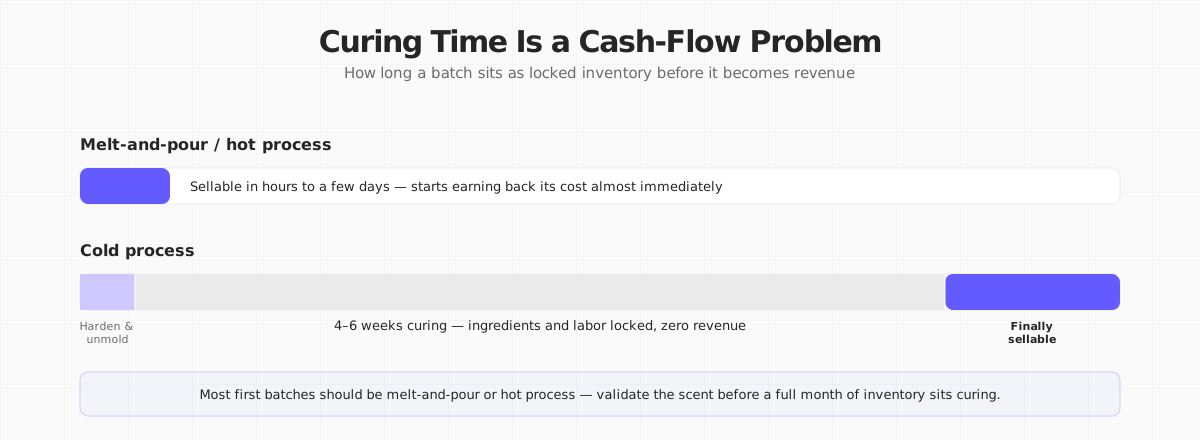
You combine oils with a lye solution (sodium hydroxide) and let a chemical reaction called saponification turn them into soap. This gives you full control over every ingredient, and it's what most people picture when they think "handmade soap." The catch: cold process soap needs [4 to 6 weeks to fully cure](https://soapqueen.com/bath-and-body-tutorials/tips-and-tricks/pros-cons-of-soapmaking-methods-cold-process-melt-pour-hot-process-and-rebatch/) after the initial 24 to 48 hours it takes to harden enough to unmold and cut. Sell it before then and it's softer, dissolves faster in the shower, and won't represent your brand well.
### Hot process (a faster middle ground)
Same basic chemistry as cold process, but you apply heat (often in a slow cooker) to speed up saponification. Bars are technically safe to use once fully hardened, [typically within a few days](https://www.brambleberry.com/cold-process/hot-process-soap-vs-cold-process-soap.html), instead of weeks. You still get full formula control, and you cut your cash-flow lag dramatically, at the cost of a slightly rougher, more rustic look than a clean cold-process bar.
### Private label or contract manufacturing
Instead of making soap yourself, you pick from a manufacturer's existing formulas (or a lightly customized version) and put your branding on it. MOQs at soap-specific contract manufacturers vary widely: some accept as few as 250 units per SKU, and per-unit costs generally range from roughly $1.50 to $8 depending on volume and packaging, with unpackaged bulk bars at the low end and finished, boxed retail units at the high end. This is the path for founders who want to skip production entirely and focus on brand and sales, at the cost of the "made it myself" story that a lot of soap customers specifically want.
| Method | Startup cost | Time to sellable bar | Skill/safety level | Formula control |
|---|---|---|---|---|
| Melt-and-pour | $50–$200 (base, molds, fragrance) | Hours | Beginner, no raw lye | Low (works within a pre-made base) |
| Cold process | $150–$400 (equipment, lye, oils) | 4–6 weeks (cure) | Intermediate (lye handling) | Full |
| Hot process | $150–$450 (equipment, lye, oils, heat source) | 2–4 days | Intermediate (lye handling) | Full |
| Private label / contract manufacturer | $500–$3,000+ per SKU (MOQ-driven) | Weeks (production lead time) | None (outsourced) | Low to medium |
**Most first-time founders should start with melt-and-pour or hot process, not cold process.** It's tempting to jump straight to "real" cold-process soap because it feels more authentic, but a 4-to-6-week cure time on your very first, unvalidated batch is a slow and expensive way to learn your scent doesn't sell. Validate the idea fast, then move to cold process once you know what people actually want.
## Step 4: Do the Regulatory Work
This is the step that trips up more soap founders than any other, because the same bar of soap can be regulated two completely different ways depending on what you say about it.
### The true soap exemption
Under [21 CFR § 701.20](https://www.fda.gov/cosmetics/cosmetics-laws-regulations/it-cosmetic-drug-or-both-or-it-soap), the FDA defines "true soap" as a product where the cleaning action comes from an alkali salt of fatty acids (the result of combining oils with lye) and where the product isn't marketed with cosmetic or drug claims. If your bar meets that definition, it's generally exempt from FDA cosmetic regulation entirely and instead falls under the [Consumer Product Safety Commission's](https://www.cpsc.gov/Business--Manufacturing/Business-Education/Business-Guidance/Soap) jurisdiction via the Federal Hazardous Substances Act. In practice, that means far lighter labeling requirements: no FDA-mandated ingredient list in INCI order, no facility registration under the Modernization of Cosmetics Regulation Act (MoCRA).
### The moment your bar becomes a cosmetic (or a drug)
Say "moisturizing," "anti-aging," or "smells amazing all day" on your label or your product page, and you've made a cosmetic claim. Say "treats eczema," "kills germs," or "clears acne," and you've made a drug claim. Either one moves your product out of the true-soap exemption and into full FDA cosmetic (or drug) regulation, which means MoCRA facility registration and product listing, INCI-order ingredient labeling, and safety substantiation, the same regime our [skincare brand guide](/blog/how-to-start-a-skincare-brand) covers in more detail, since skincare has no true-soap-style exemption to fall back on at all. Plenty of successful soap brands make this move deliberately, because "moisturizing" sells better than "cleans you." Just know you're opting into a heavier compliance load when you do, not just a marketing decision.
### What actually goes on the label either way
Even a true-soap bar isn't unregulated. At minimum, expect to include:
- **Net weight**, in both metric and US customary units.
- **Name and location** of the manufacturer, packer, or distributor.
- **Precautionary labeling**, if your bar qualifies as a hazardous substance under the FHSA (uncommon for standard bars, more relevant for strong degreasing or high-lye-excess formulas that could irritate eyes).
If you add fragrance oils, check the label for phthalates and other Prop 65-listed substances if you plan to sell into California; a supplier's Certificate of Analysis should confirm what's in a given fragrance oil.
### Insurance
Product liability insurance for a small soap business generally runs [$400 to $1,500 a year for $1 million in coverage](https://howtostartanllc.com/business-insurance/business-insurance-for-soap-making-businesses) through a general small-business insurer. Soap-specific options through groups like the [Handcrafted Soap and Cosmetic Guild](https://www.soapguild.org/tools-and-resources/resource-center/5/startup-insurance/) run roughly $230 to $400 a year depending on your sales volume and coverage level, built specifically around handmade bath and body products. A lye burn or a skin reaction claim can cost far more than several years of premiums. Don't skip it to save $30 a month.
## Step 5: Get Curing Time, Batch Size, and Packaging Right
This is the step Shopify's own guide to this topic barely touches, and it's the one that catches almost every first-time cold-process soap founder off guard: **curing time is a cash-flow problem, not just a quality one.**
If you're making cold-process soap, a bar poured today isn't sellable inventory for 4 to 6 weeks. That means the ingredients you bought and the labor you spent are locked in a curing rack, not turning into revenue, for over a month. Plan backward from when you actually want to sell: if you want inventory ready for a November and December holiday rush, you need to be pouring by mid-September, not decorating your website in November and wondering why the shelves are empty.
Two practical fixes:
1. **Stagger your pours.** Instead of one giant batch, pour a smaller batch every one to two weeks so you always have soap coming out of the curing rack, not one all-or-nothing production event.
2. **Start with melt-and-pour or hot process for your first sellable inventory**, and layer in a cold-process line once you have a curing rhythm and real sales data to plan around.
### Packaging
Packaging is where a lot of the "does this look like a real brand" perception comes from, and where beginners either overspend or underspend. A simple paper band with your logo, a kraft box, or a basic label costs a fraction of what custom-printed boxes with a minimum order of a few thousand units cost. Match your packaging to your price point: a $6 bar in packaging that costs $2 destroys your margin before you've sold one unit. Start with stock packaging and a good label, and save custom-molded boxes for once a scent proves it sells.
## Step 6: Set the Price So the Math Works
The classic beginner mistake: "the grocery store sells soap for $3, so I'll charge $6 and feel generous about it." That math doesn't work for a handmade bar, because the $3 bar is made on an industrial line at a scale you'll never match, and your $6 price doesn't come close to covering real ingredient, labor, and packaging costs.
The rule most experienced soap makers use: **price at 3x to 4x your true cost per bar** for retail, and set wholesale at roughly 50% of that retail price. [Craftybase's soap-pricing guide](https://craftybase.com/blog/how-to-price-handmade-soap) puts the constraint plainly: your true cost per bar needs to stay under about 12.5% of retail for a traditional wholesale relationship to still be profitable for you.
Here's a realistic landed cost breakdown for a 4 oz cold-process bar with one essential oil scent and simple label packaging:
| Cost component | $ per bar |
|---|---|
| Oils, lye, and water | $0.90 |
| Fragrance or essential oil | $0.40 |
| Colorant and additives | $0.15 |
| Packaging (label, wrap) | $0.60 |
| Labor (pouring, cutting, curing, wrapping) | $1.50 |
| **Total landed cost** | **$3.55** |
Now price it. Sell that bar for **$12** (about 3.4x, near the low end of viable for direct-to-consumer). Here's roughly where the money goes on an online sale:
| Where the money goes | $ |
|---|---|
| Landed cost per bar | $3.55 |
| Card fee (Stripe, ~2.9% + $0.30) | $0.65 |
| Shipping to customer (soap is heavy for its price point) | $1.50 |
| Returns/damage reserve (~3%, soap rarely gets returned) | $0.36 |
| Marketing (~25% of revenue) | $3.00 |
| **What you actually keep** | **~$2.94** |
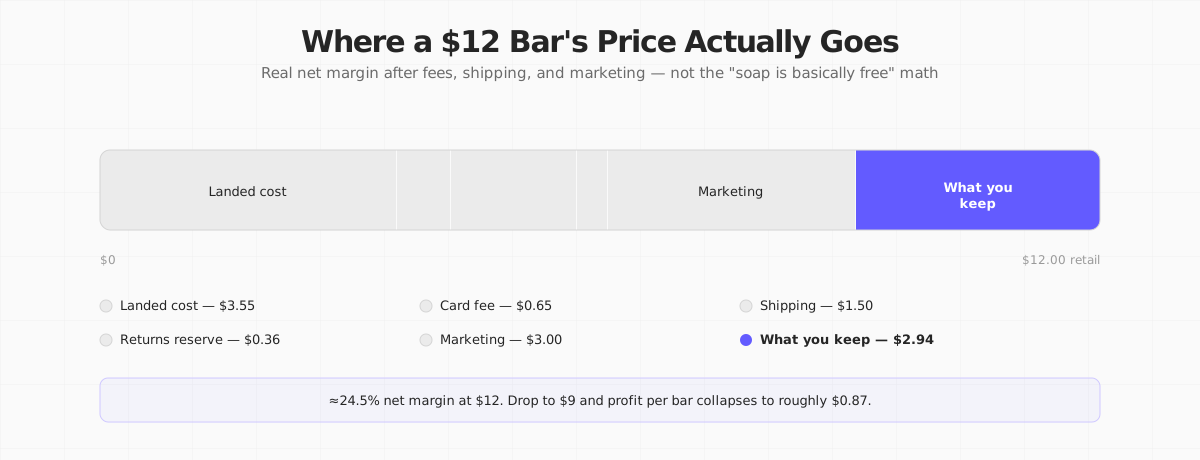
That's about 24.5% net margin, in line with what most handmade soap makers actually clear after real costs, well below the "handmade soap is basically free to make" reputation the category has online. To clear $3,000 from a first production push, you'd need to sell **around 1,020 bars**, plus more to cover fit-and-scent samples, photography, and the booth fees from Step 2.
Watch what happens at $9 (about 2.5x, keystone plus a little): profit per bar collapses to roughly $0.87, meaning you'd need close to 3,450 bars to hit the same $3,000. **If the math doesn't work at your planned price, don't launch at that price.** Simplify the packaging, raise the price, or find a lower-cost ingredient sourcing path before you commit to a full production run.
## Step 7: Set Up a Simple Website
By now you have a validated scent or two, real cure-time and pricing math, and hopefully a waitlist or a few craft-fair sales under your belt. Time to give people a place to buy beyond a folding table.
You don't need anything elaborate. You need honest product photos (the actual bar, not just a stock lifestyle shot), an ingredient list, and a checkout that doesn't scare people off.
The main options in 2026, honestly ranked for a first-time soap founder:
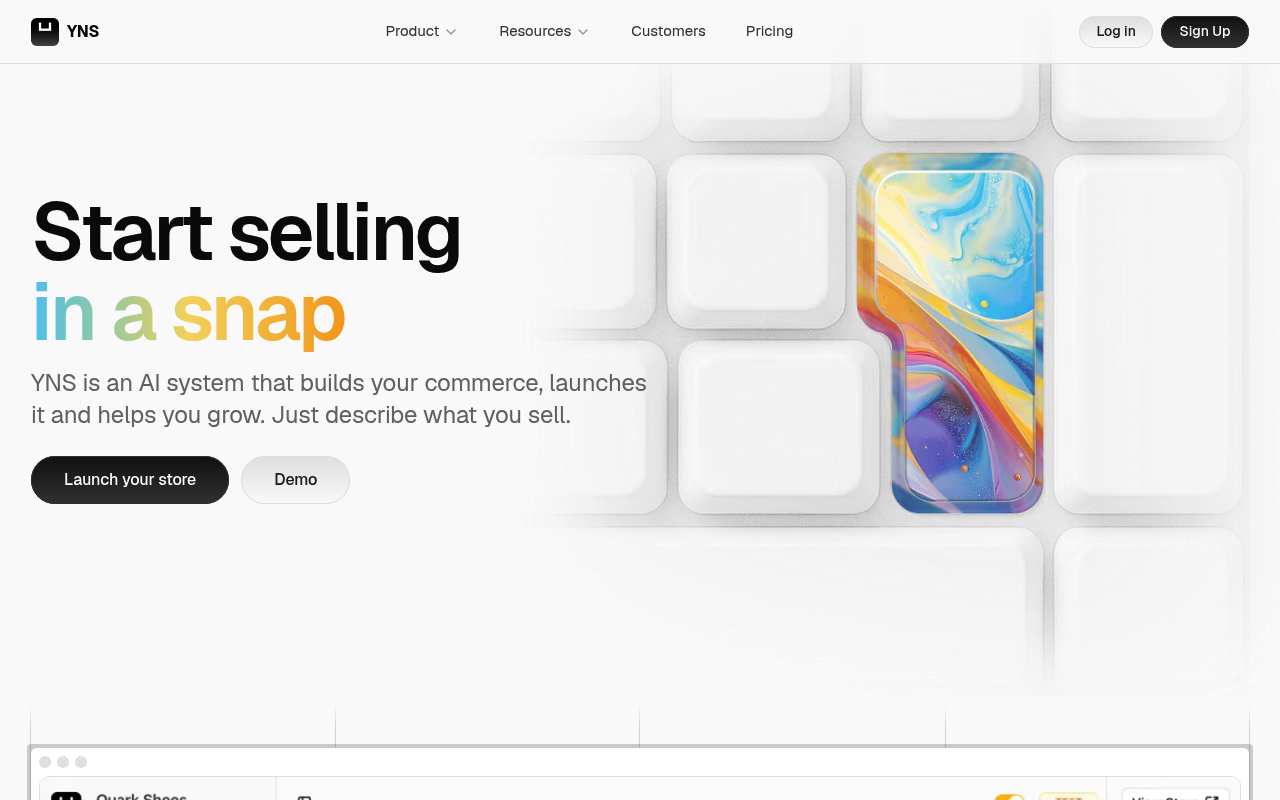
- **[Your Next Store](https://yournextstore.com/)** (us, to be upfront) starts at **$30/month, or $25/month billed yearly, with 0% platform transaction fees** on every plan (Stripe's standard processing fees still apply). An AI-powered builder sets the store up with you, and product search, reviews, and email are already built in, which matters for soap specifically since scent and ingredient descriptions do a lot of the selling online that a customer would otherwise get from smelling the bar in person.
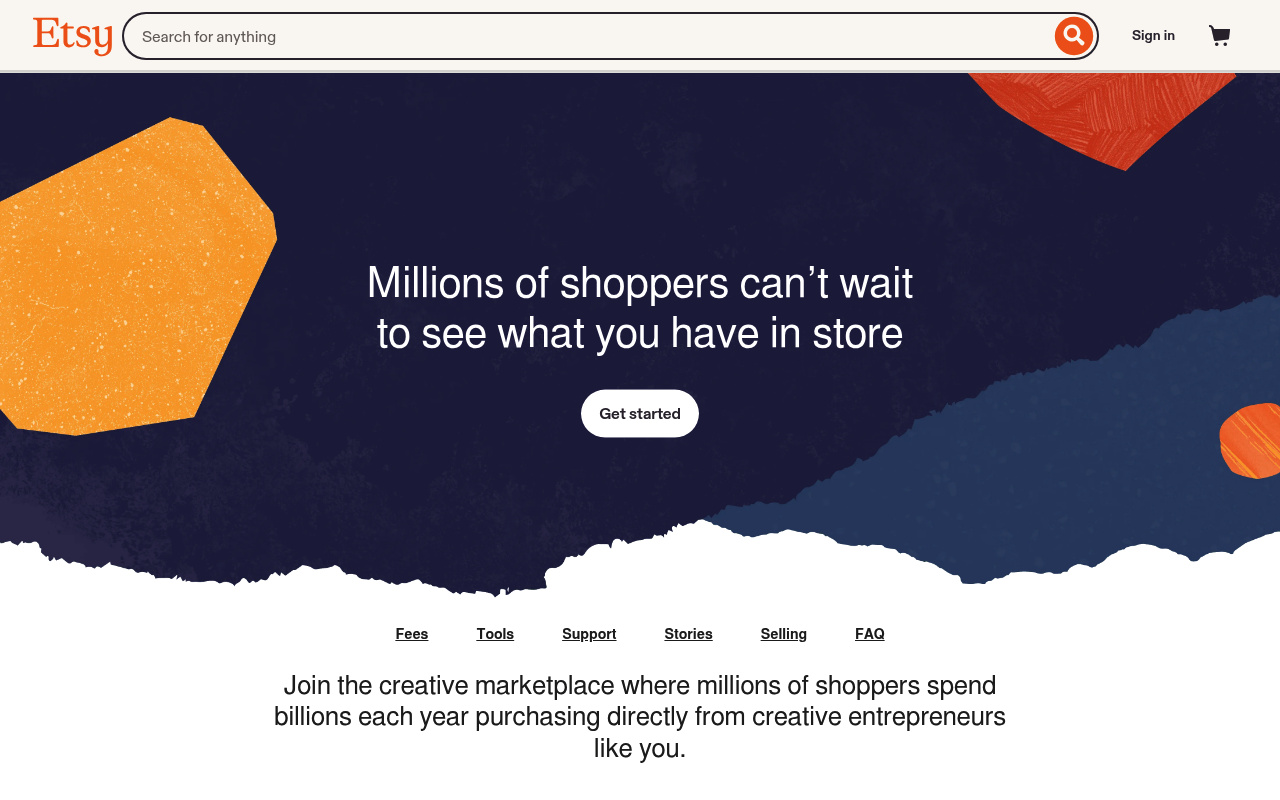
- **[Etsy](https://www.etsy.com/sell)** is a genuinely strong fit for handmade soap and gives you built-in search traffic from people already shopping for exactly this kind of product. The trade-off is a [6.5% transaction fee plus listing and ad fees](https://www.etsy.com/legal/fees/), and your customer thinks of themselves as an Etsy shopper first, your brand second.
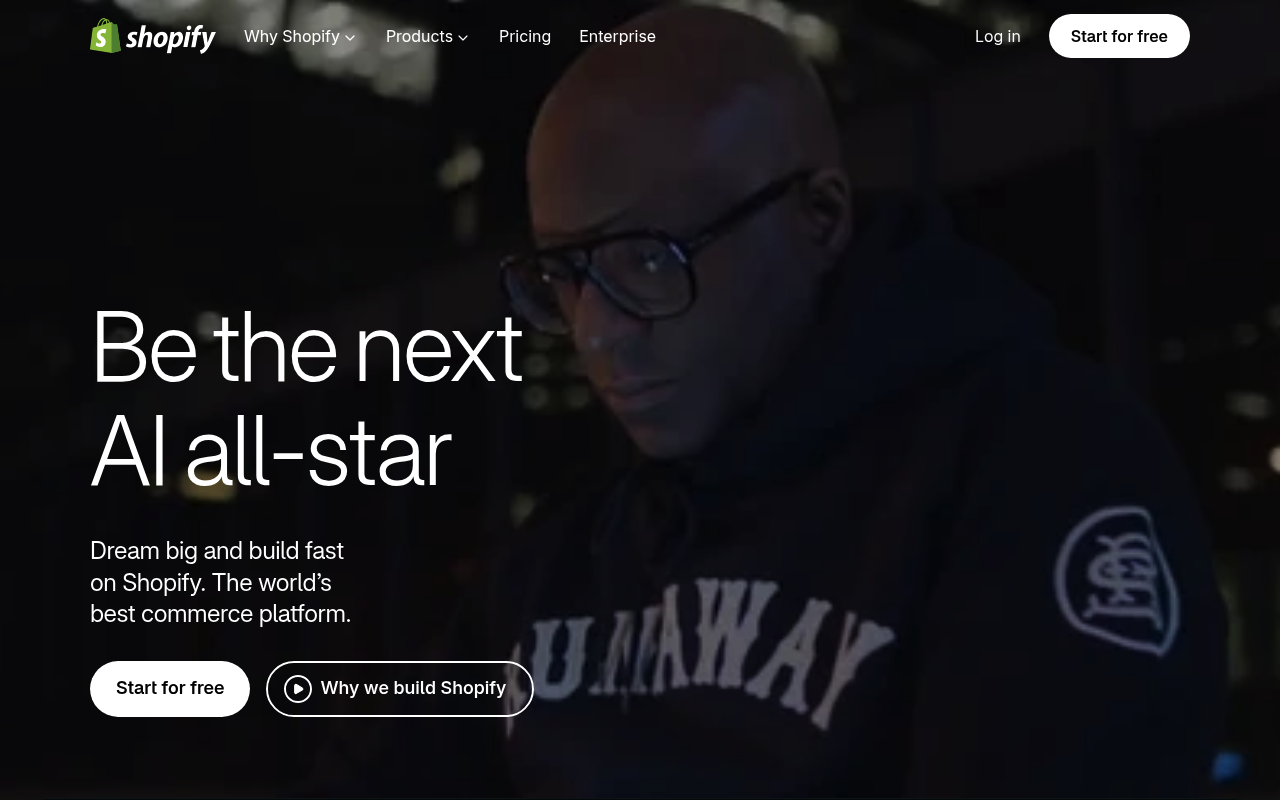
- **[Shopify](https://www.shopify.com/)** is the safe, familiar middle ground at $39/month, with an app for nearly anything (subscription boxes, scent-quiz product finders, loyalty programs). Those apps add up fast, often another $200 to $500/month at real volume, and Shopify takes a [small extra fee on every sale](/blog/how-much-does-shopify-take-from-a-100-sale) unless the customer pays with Shop Pay.
- **Squarespace or Wix** are cheap and visually easy for a first small drop, especially if your brand leans on photography and story. Most soap brands outgrow the commerce and inventory features within a year or two.
- **Instagram or TikTok plus a payment link.** If you're selling two or three scents to an audience you already have from craft fairs, you can DM-sell and check out with a [Stripe payment link](/blog/how-to-sell-online-with-stripe). Costs close to $0 and works until volume makes it unmanageable by hand.
**Honest recommendation for most first-time soap founders:** start selling in person (Step 8) before you invest heavily in a website, since a table at a market teaches you more about what sells than any analytics dashboard will in month one. Once you have a repeatable scent lineup, a simple site on YNS, Shopify, or Etsy earns its cost back quickly.
**0% platform transaction fees on every plan.** A modern storefront for your soap business, ready in minutes.
## Step 8: Pick One Place to Get Noticed
Soap has an advantage almost no other ecommerce category has: you can put your product directly in someone's hands, let them smell it, and close the sale on the spot. New soap businesses that try to be everywhere at once (a full content calendar, wholesale outreach, paid ads, and a craft-fair circuit, all in month one) usually do all of them badly. Pick one, run it seriously, and expand from there.
- **Farmers markets and craft fairs (the default for a reason).** A weekend booth typically runs [$20 to $75 for a farmers market day and $150 to $500 for a weekend craft fair](https://vendorsmap.com/blog/what-a-craft-fair-booth-really-costs-2026). Bath, body, and soap vendors [routinely report $400 to $1,500 in single-day sales at decent events](https://vendorsmap.com/blog/what-sells-best-at-craft-fairs-2026): a low price point and gift-friendliness make soap one of the most consistent-selling categories at these fairs, and customers can smell it before buying. This tends to be the strongest channel under $10,000 in revenue.
- **Instagram and TikTok content.** Soap cutting videos, curing-rack tours, and "what's actually in this bar" ingredient breakdowns perform well because soap is a visual, satisfying category to watch get made. Consistency (3 to 5 posts a week for 6+ months) beats production value.
- **Wholesale to local boutiques, spas, and gift shops.** Once you can reliably fulfill 100+ bars a batch, a sample and a one-pager to 10 local shops that fit your aesthetic can open real doors. Standard wholesale runs at roughly half your retail price, so revisit your Step 6 math at that price point before committing.
- **Email, from day one.** Collect every email you can, from waitlist sign-ups to market customers. It's the highest-margin channel you'll have once people already know the brand, with none of a marketplace's per-sale cut.
- **Paid ads, last.** Cold-start paid acquisition for a commodity-adjacent product like soap is expensive. Get a craft-fair following and organic content working first, then use ads to amplify what's already proven.
## What It Actually Costs to Start a Soap Business in 2026
Realistic ranges, pulled from cost breakdowns and industry pricing data across [Craftybase](https://craftybase.com/blog/how-much-does-it-cost-to-make-soap), the [Handcrafted Soap and Cosmetic Guild](https://www.soapguild.org/tools-and-resources/resource-center/5/startup-insurance/), and manufacturer sourcing guides:
| Your approach | Upfront cost | Monthly spend | What you get |
|---|---|---|---|
| **Melt-and-pour, one line** | $300–$800 | ~$100 | 3–5 scents, sellable same day, craft fairs + Instagram |
| **Cold or hot process, small batch** | $1,500–$4,000 | ~$300 | 1–2 recipes, full formula control, farmers markets + a simple site |
| **Serious small brand** | $5,000–$15,000 | $800+ | Multiple scent lines, real labeling and insurance, wholesale-ready |
| **Private label / contract manufacturer at volume** | $15,000–$40,000+ | $2,000+ | Thousands of bars per SKU, retail-ready packaging, no production bottleneck |
Two honest warnings hidden in that table:
1. **The upfront cost is rarely the thing that trips people up. The cure-time lag is.** A founder who budgets $2,000 for ingredients but doesn't plan six weeks of curing before their first sale runs out of patience, not money.
2. **Melt-and-pour and hot process are not "lesser" starting points.** They're how you get real sellable inventory into real hands in days instead of weeks, which is worth more early on than a technically purer cold-process bar nobody's tried yet.
The soap businesses that make it past year one aren't the ones with the most exotic scent on day one. They're the ones that picked a specific person or problem, tested demand at a table before committing a full batch, understood exactly which regulatory bucket their bar falls into, and priced for the real cost of a batch, cure time included. Get the timeline right and the rest of the business has room to breathe; soap is one of the few products where patience is a line item on the balance sheet, not just a virtue.
## FAQ
### How much does it cost to start a soap business?
Anywhere from **$300 to $40,000+**, depending on how your soap gets made. A melt-and-pour start with a pre-made base can run $300 to $800 for your first several scents. Cold or hot process at a small batch scale, buying your own oils and lye, typically runs $1,500 to $4,000. A serious small brand with proper labeling, insurance, and multiple product lines lands in the $5,000 to $15,000 range. Private label or contract manufacturing at real volume is where costs climb past $15,000, driven mostly by MOQ and packaging tooling, not the soap itself.
### Do I need FDA approval to sell soap?
Not if your product qualifies as "true soap" under [21 CFR § 701.20](https://www.fda.gov/cosmetics/cosmetics-laws-regulations/it-cosmetic-drug-or-both-or-it-soap): its cleaning action has to come from an alkali salt of fatty acids, and you can't make cosmetic claims (moisturizing, anti-aging) or drug claims (treats acne, kills germs). Products that meet that definition fall under the [Consumer Product Safety Commission](https://www.cpsc.gov/Business--Manufacturing/Business-Education/Business-Guidance/Soap) instead, with much lighter labeling requirements. The moment you make a cosmetic or drug claim, your product exits the true-soap exemption and needs full FDA cosmetic (or drug) compliance, including MoCRA facility registration for most manufacturers.
### Is a soap business actually profitable?
It can be, but the margin is thinner than the "soap is basically free to make" reputation suggests once you price in labor, packaging, and marketing. A cold-process bar with a $3.55 all-in cost, sold at $12, nets around $2.94 after card fees, shipping, a small returns reserve, and realistic marketing spend, about 24.5% net margin. That's a real, sustainable small business, but it rewards makers who price at 3x to 4x true cost from the first batch, not ones hoping volume fixes a margin that was too thin to begin with.
### Melt-and-pour or cold process, which should I start with?
**Melt-and-pour or hot process, for almost every first-time founder.** They get sellable inventory into customers' hands in hours to days instead of the 4 to 6 weeks cold process needs to cure, which means you validate your scent lineup and pricing far faster. Move to cold process once you have real sales data and want full control over the raw formula. Jumping straight to cold process on an unvalidated idea is the most common way beginners tie up a month of ingredients and labor in a batch that turns out nobody wanted.
### How long does it take to launch a soap business?
On the melt-and-pour or hot-process path, plan for **4 to 8 weeks** from idea to first sale: a couple of weeks to test scents and demand, a few days of actual production, and time to line up a market table or a simple website. On the cold-process path, add the 4-to-6-week cure time on top of that, so plan for **10 to 14 weeks** before you have sellable inventory, longer if you want to stagger multiple scent pours. Anyone selling you a "launch your soap brand next week" course is skipping the cure time, the regulatory check, or both.
## Related Blog Posts
- [How to Start a Candle Business in 2026: The Honest Beginner's Playbook](/blog/how-to-start-a-candle-business)
- [How to Start a Skincare Brand in 2026: The Honest Beginner's Playbook](/blog/how-to-start-a-skincare-brand)
- [How to Start an Online Store in 2026: 7 Steps to Your First Sale](/blog/how-to-start-an-online-store)
- [How to Sell Online with Stripe in 2026: 5 Options](/blog/how-to-sell-online-with-stripe)
- [How Much Does Shopify Take From a $100 Sale?](/blog/how-much-does-shopify-take-from-a-100-sale)